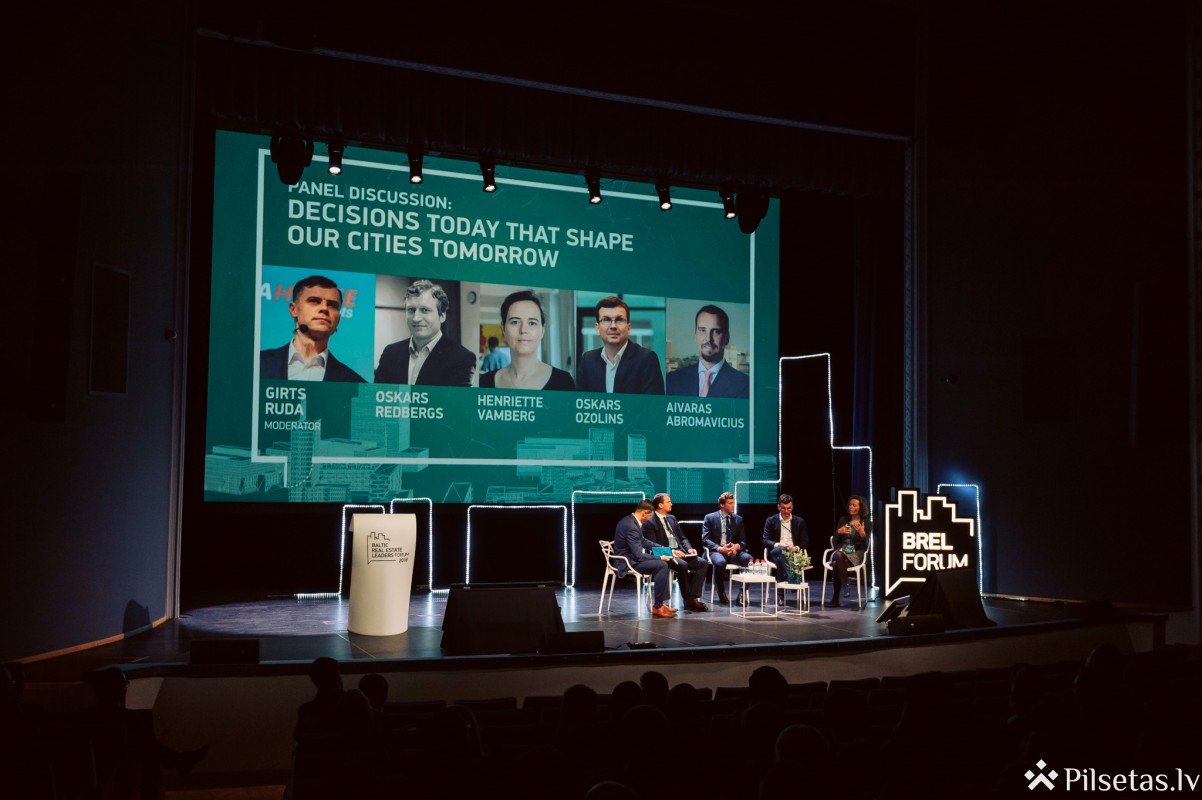
The annual BREL forum in Riga reviewed the industry’s key trends and challenges
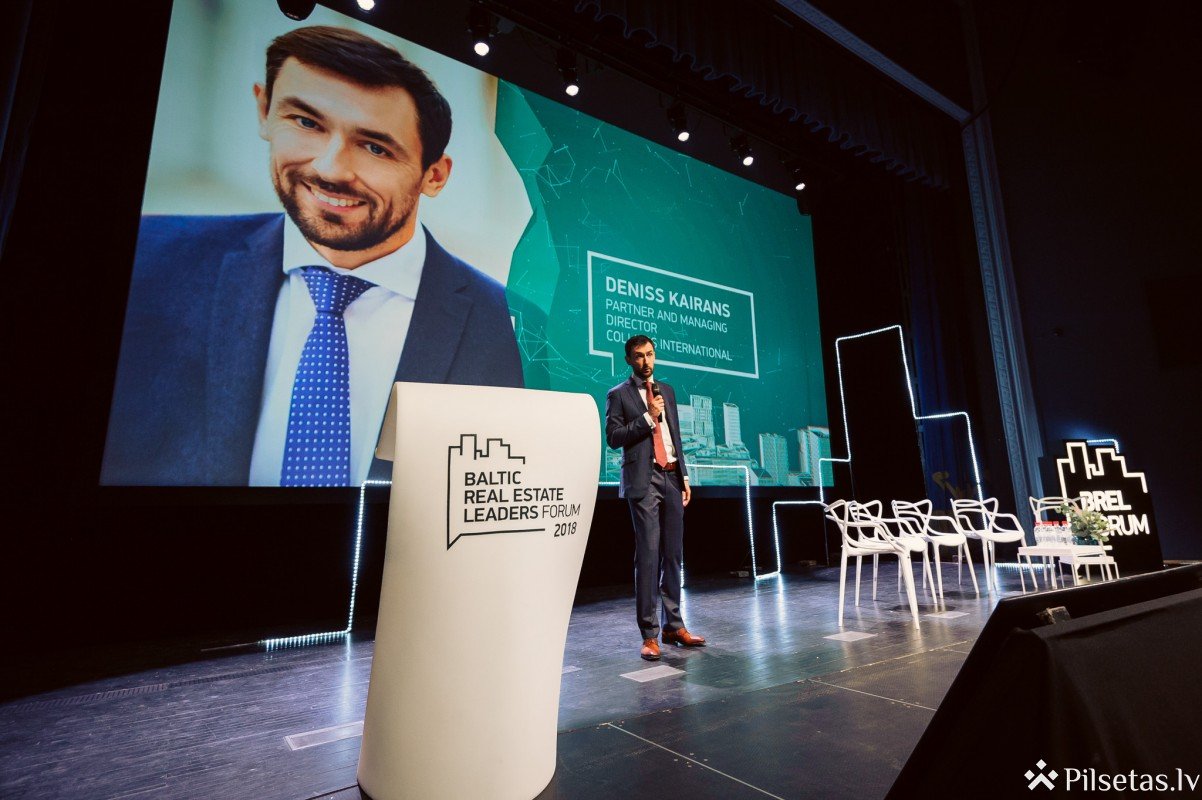
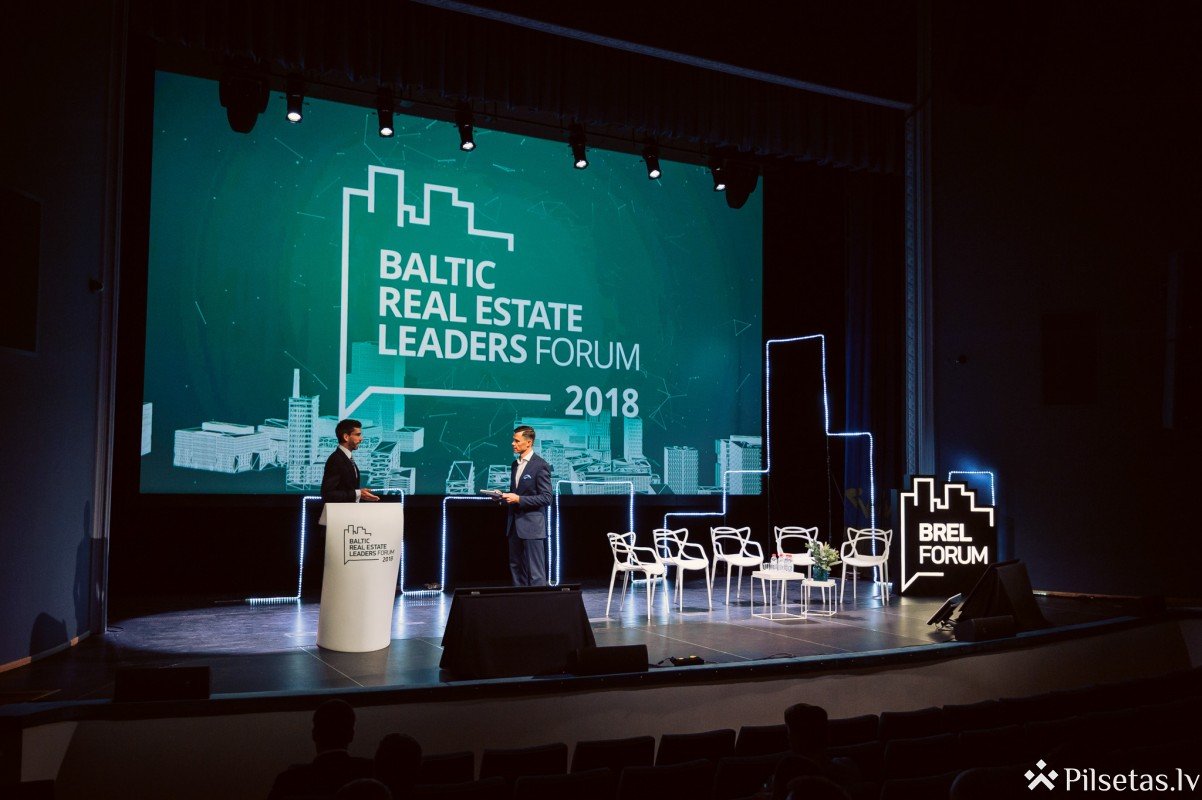
Last Friday, 2 November, the annual Baltic Real Estate Leaders, or BREL, forum took place at the VEF Culture Palace, as usual attracting a large number of leading real estate industry professionals from Latvia and other Baltic and European countries. Internationally recognised industry professionals spoke and held discussions throughout the day on various important issues related to the sector, sharing experience, highlighting its main challenges and forecasting future developments and their impact on the Baltic region. Experts identified the growing influence of modern technologies on the real estate market, as well as smart and sustainable urban and workplace planning and the increased flow of investment towards properties that incorporate some form of added value, as the main current trends.
This year, the BREL forum programme was divided into three substantively different sessions addressing the industry’s most pressing issues: macroeconomic development, changes in real estate price levels, demographic and political aspects, market investment, urban space development, retail, digitalisation, and the impact of e-commerce on traditional retail space. The sessions concluded with interactive expert panel discussions, which made it possible to examine each of the highlighted topics in greater depth, involving the audience and inviting those present to ask questions and express their views through an online vote. The forecasts voiced by the forum’s speakers indicate that the role of technology will continue to grow in the coming years, affecting both transactions in the real estate industry and traditional retail sectors. At the same time, the construction of new projects will increasingly be replaced by the renovation of existing buildings and the growth of industrial parks, marking new trends in the currently saturated investment market.
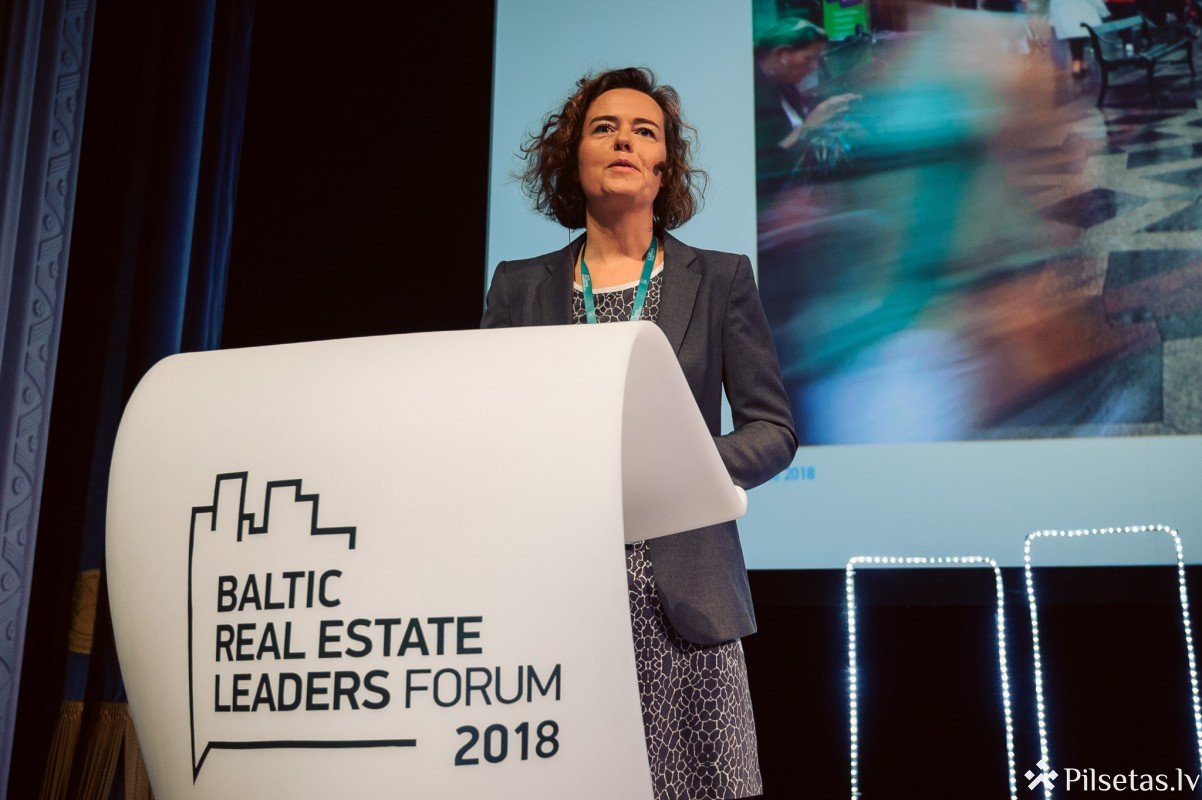
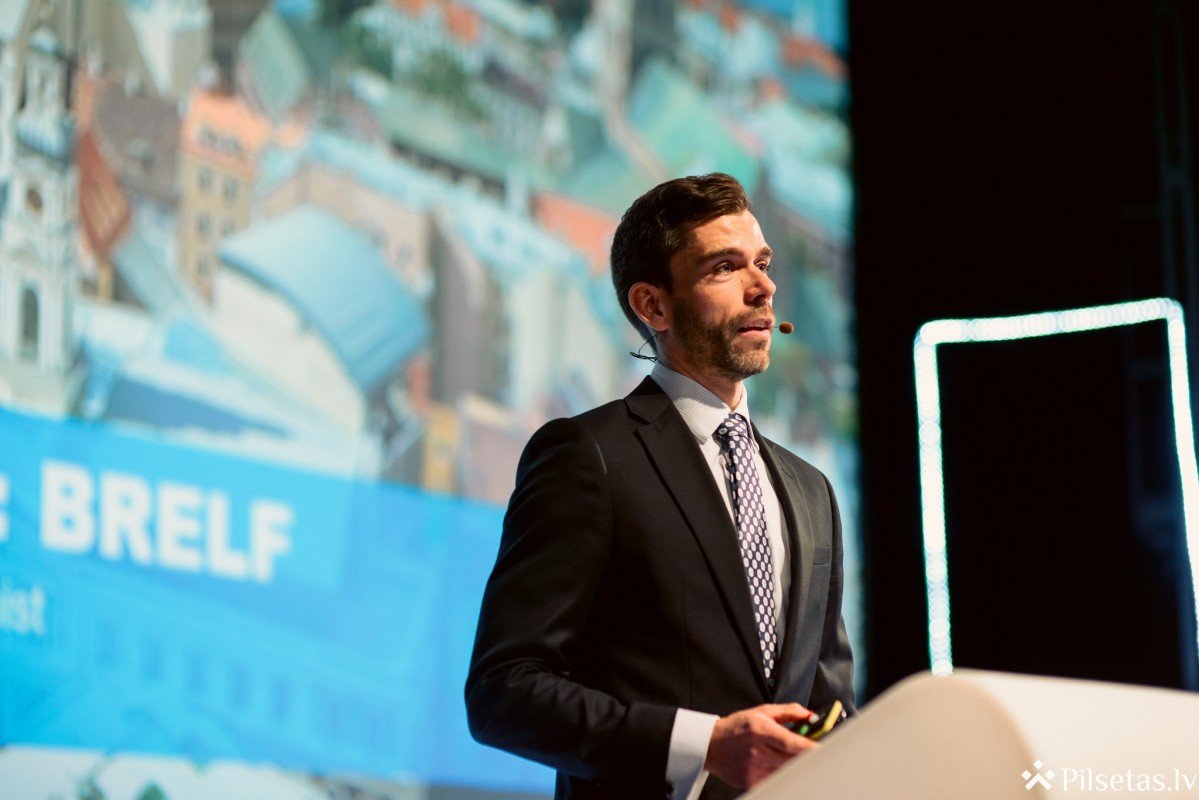
As Henriette Vamberg, partner and chief executive officer of the Danish architecture firm Gehl Architects, emphasised in her opening remarks, smart and sustainable urban planning is based on analysing people’s everyday habits. Henriette has been following Riga’s rapid development for several years and believes that reducing road traffic in particular could make Riga a more modern and people-friendly European capital while helping to preserve its historic heritage. Oliver Kolodseike, senior economist at the real estate company Colliers International, expressed the view that, in terms of attracting investment and residents, the greatest challenge for cities in the Baltic states is retaining a qualified workforce. It is precisely the considerable potential of the sector’s talent that can improve the position of Latvia and its neighbouring countries compared with other European countries at a time when global competition is increasing.
Nepi Rockcastle investment manager Gijs Klomp emphasised that, from a microeconomic perspective, the Baltic states are very similar and are united by an educated workforce, an economy that continues to progress and strong capital cities, but the weak point of the region is its negative demographic indicators. In turn, Zulfukar Tosun, a representative of Metro ECE Center management, a company managing retail space, concluded the forum with the observation that the future of retail lies in shopping centres that offer something more than shopping. They must be places where people would like to spend their free time, since shopping alone can now also be done online. For this reason, the boundaries between budget and luxury shopping are gradually being dismantled worldwide, while both online and in-person shopping are becoming increasingly personalised, interactive and comprehensive, offering multiple channels for obtaining goods and services.
“Following the main themes of this year’s BREL forum, it must be concluded that the Baltic states, which from the outside most often appear to be a single market, are still three different countries in every real estate segment. Latvia still has areas that urgently require improvement, such as the speed at which building permits are issued. Riga also significantly lacks good infrastructure for cyclists and pedestrians. To attract investors, we need more original ideas and names with which Riga and Latvia could be associated abroad. We must cooperate more actively in planning and implementing projects so that they are carried out in the public interest and within the planned time frames, but I am confident that, with the potential inherent in Latvia, all of this can be developed in the coming years,” shares Ģirts Rūda, the forum’s moderator and chief legal officer of RB Rail AS, in his observations.
BREL forum speakers also included a number of other real estate industry experts from all three Baltic states, as well as from Ukraine, Finland and the Netherlands. They included Keith Silverang, chief executive officer of the real estate company Technopolis; Aivaras Abromavičius, chairman of the board of Preses Nams; Sohvi Rajamäki, chief executive officer of Schneider Electric in the Baltic states; Oskars Ozoliņš, chairman of the board of the construction company Merks; doctor of engineering and architect Oskars Redbergs; Andžela Koļesņikova, partner at Colliers International Advisors; Laurynas Kuzavas, chief executive officer of SIRIN Development; Harijs Švarcs, founder of SG Capital; Roberto de Silvestri, chief executive officer of the investment company Colonna; and Kārlis Danēvičs, co-chairman of the Lending Committee of the Finance Latvia Association, who joined the industry leaders in shaping this year’s topical discussion.
BREL forum was organised by Colliers International in cooperation with iDEA HOUSE events. Event partners: Linstow, Hanner and LNK Group.