
Bookmakers Cautiously Assess Šlesers’ Chances of Entering Parliament
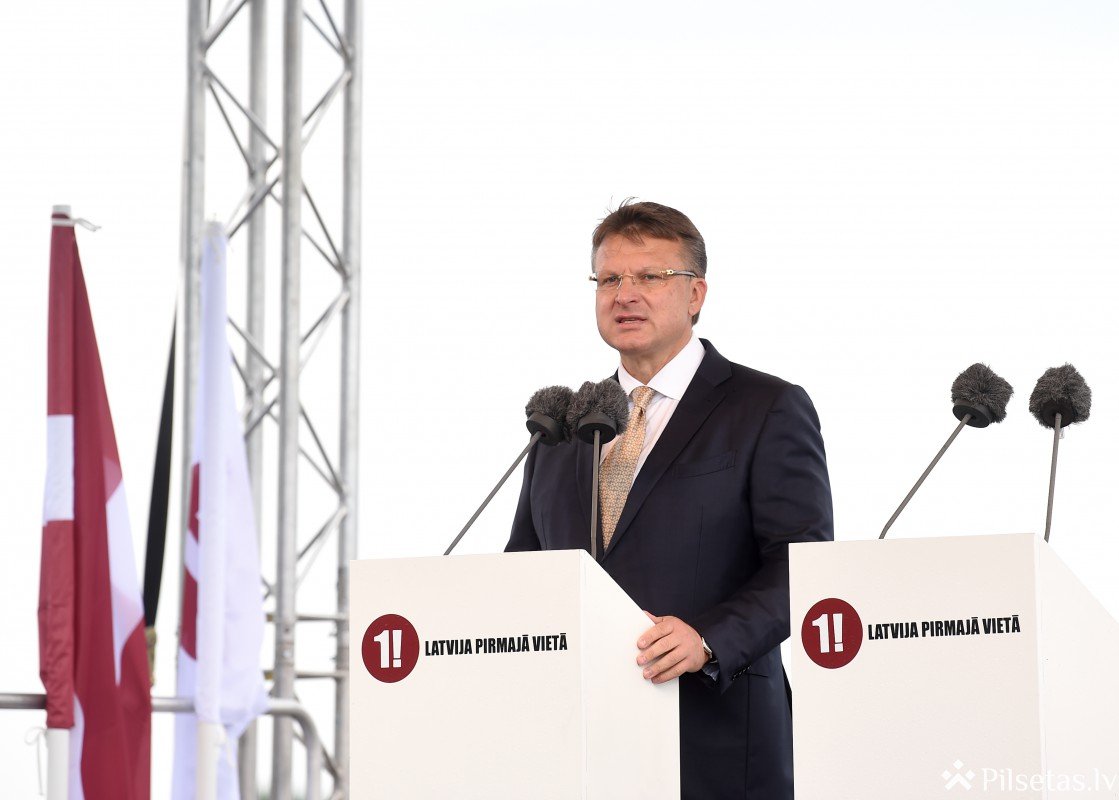
After a seven-year absence, Ainārs Šlesers has just re-entered Latvia’s political arena. The veteran politician, nicknamed the Bulldozer, founded a new party called “Latvia First” on 14 August. Its founding event attracted considerable public attention, and the composition of the new party continues to be actively discussed on social media. At the same time, many are asking: “What are the chances that the experienced politician and entrepreneur will once again take a seat in Parliament?” “Betsafe” bookmakers estimate the probability that Ainārs Šlesers will be elected to Parliament in the elections scheduled for next autumn at 50%.
“This is how we currently assess the likelihood of events unfolding, because there are still many unknown factors. More than a year remains until the elections, and the party’s final list of candidates is not known, nor is it clear whether a merger with another party will take place. Šlesers and the “Latvia First” party benefit from the fact that in the previous elections a rather impressive number of voters—almost 30%—voted for the new parties “KPV.LV” and “New Conservative Party”. This is also the electorate available to this party. Moreover, Šlesers is not alone; he is joined by people well known in society and politics. On the other hand, the votes of dissatisfied people will have to be divided among several parties, and their number is not even really known at present. In addition, the COVID-19 pandemic could still bring about certain changes in the electoral process and turnout,” comments Valters Rozmanis, a “Betsafe” forecasting expert.
Observers of public affairs are still cautious and in no hurry to make specific predictions. Political scientist Filips Rajevskis told the “Jauns.lv” portal that Šlesers has sensed certain opportunities and an open niche in the existing party market. Meanwhile, Arnis Kaktiņš, director of the SKDS research centre, is more optimistic, assessing that “the potential for newly established parties to achieve good election results, as has been observed in recent decades, is very high”. At the founding event of “Latvia First”, it was possible for the first time to see the party’s full lineup, which contained no shortage of surprises. The party’s secretary-general will be Arnis Cimdars, the long-serving head of the Central Election Commission; it also includes former traffic police chief Edmunds Zivtiņš and former deputy head of the Corruption Prevention and Combating Bureau Ilze Jurča, as well as Linda Liepiņa, one of the leading members of the former “KPV.LV” party. Meanwhile, former weightlifter and member of Parliament Viktors Ščerbatihs has been put forward as minister for “youth and sports affairs”.
It had already been known that Saeima member Jūlija Stepaņenko, who had just “defected” from Aldis Gobzems’ party, would also be active in the party. She has become the new party’s chairwoman and has been put forward as “Latvia First’s” candidate for president. Meanwhile, former prime minister Vilis Krištopans is ready to take on the post of finance minister. The party’s members also include old associates of A. Šlesers, such as pastor Ēriks Jēkabsons. The ranks of the “Latvia First” party also include Elīna Didrihsone and Maija Armaņeva, who are described as social media influencers or opinion leaders. It is possible that in this way the party, which promises to defend traditional and Christian values, hopes to gain greater popularity among younger voters.
The party leader, A. Šlesers, will run last on the list in the Riga electoral district because, as he himself stressed, he is “not seeking power”. Nevertheless, he certainly cannot be called a novice when it comes to forming political parties. This is already the eighth party or party alliance founded by, or led by, the well-known entrepreneur and politician. In 1998, at the age of 28, he founded the “New Party” together with Raimonds Pauls. This was followed by the “New Christian Party”, and then the “Latvia’s First Party”, which won 10 seats in Parliament in 2002 and was part of the governing coalition before merging with the “Latvia’s Way” party. Later, the “People’s Party” also joined this alliance, and the political formation was given the name “For a Good Latvia”. His last two attempts to enter Parliament—with the “Šlesers Reform Party” in 2011 and the “United for Latvia” party in 2014—ended in failure.
A. Šlesers’ political career has been long by Latvian standards and rich in offices held and scandals. He has served as minister of the economy, minister of transport and deputy mayor of Riga. Together with two other former political heavyweights and millionaires—Aivars Lembergs and Andris Šķēle—he has often been referred to by part of society as an oligarch. Among the scandals that caused the greatest public resonance were the so-called “Jūrmalgate”, the “Rīdzene conversations”, and the appointment of a driver’s son to the board of AS “Pasažieru vilciens”. Significantly, A. Šlesers announced his return to politics and his participation in the parliamentary elections on 25 March this year, after visiting the Prosecutor General’s Office. It was precisely on that day that charges were brought against him in the new digital television case.








