
Dermato-oncologist: Skin cancer is the most common cancer in Latvia
Published: 26.01.2018
Add Events
Dermato-oncologist: Skin cancer is the most common cancer in Latvia; patients underestimate the risks, and cosmetologists make fatal mistakes
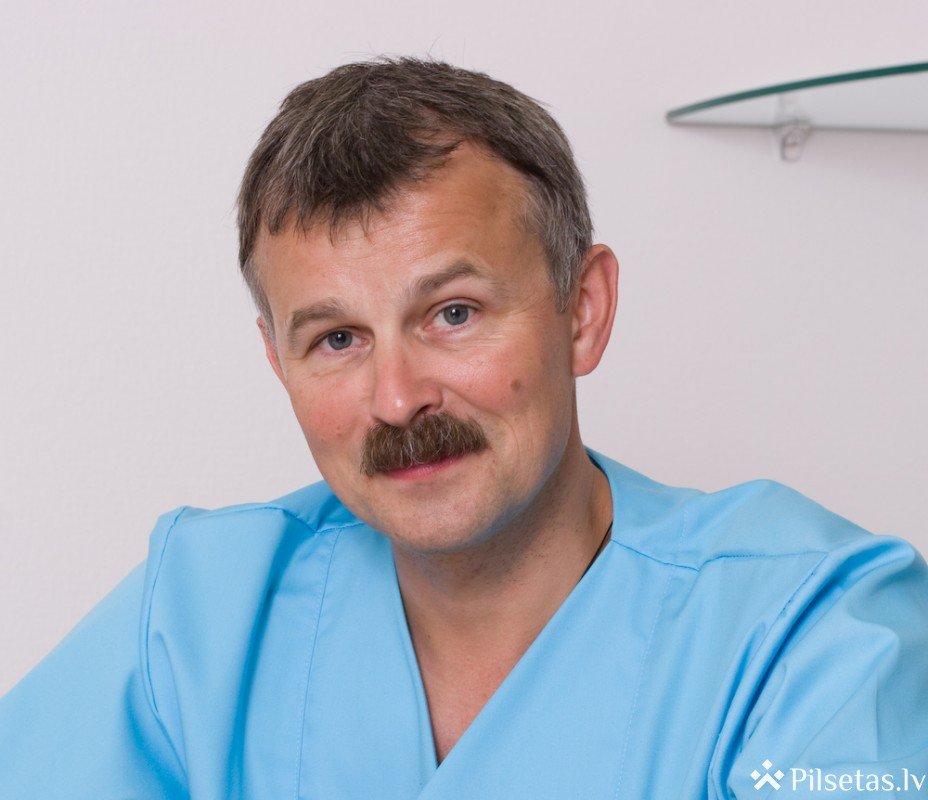
On 12 January, the third Latvian Forum of Dermatologists and Dermato-Oncologists was held successfully. More than 20 leading specialists—Latvian dermatologists—spoke at the forum, where current issues in dermatology were discussed, with particular attention devoted to skin oncology. One of Latvia’s leading dermato-oncologists, Doctor of Medical Sciences Aleksandrs Derjabo, a physician at Riga East University Hospital and the Panacea Pro laser clinic, took part in the forum. He spoke openly about common mistakes made by beauty specialists, cosmetologists, and dermatologists in Latvia, which ultimately lead to fatal outcomes for patients.
“The European trend—an increase in the incidence of skin cancer—is growing annually worldwide,” says Dr Derjabo. “Patients often underestimate the risks associated with oncology. To be fair, it should be noted that the number of people undergoing timely diagnosis is generally increasing. Over the past 5–10 years, doctors have increasingly been able to begin treatment at what is known as the ‘zero’ stage. This is a stage at which treatment is more successful than in the first stage—the probability of a positive outcome approaches 100%.”
More than 150 people attended the forum. Dr Aleksandrs Derjabo spoke in detail about the most important problem: in Latvia, issues related to dermato-oncology are handled by cosmetology and beauty specialists rather than oncologists and surgeons. They remove skin lesions without knowing exactly what they are removing. At the same time, many dermatologists with the necessary qualifications make fatal mistakes in diagnosing and removing lesions because of a lack of experience. Incorrect removal of an apparently simple lesion can cost a patient their life.
“At present, there are only a few places in Latvia where high-quality skin cancer diagnostics can be obtained, including the Panacea Pro clinic, where I see patients. In most places, skin cancer cannot be diagnosed with certainty because not everywhere has trained personnel and the necessary equipment—a videodermatoscope,” Derjabo warns.
“Sometimes ‘behind the simplest questions’ lie major and serious consequences. Dermatologists must constantly learn, examine various cases of illness, ‘build up their experience’, avoid mistakes and incorrect diagnoses wherever possible, and also refrain from ‘doing someone else’s work’. At the slightest suspicion, dermatologists must refer patients to dermato-oncologists.
Skin cancer is the most common cancer in Latvia. Under no circumstances should it be ignored or patients’ health put at risk.”
Information prepared by the agency “Advanced Learning & Communications” www.alc.lv, in cooperation with the Panacea Pro beauty clinic www.panaceapro.lv
On 12 January, the third Latvian Forum of Dermatologists and Dermato-Oncologists was held successfully. More than 20 leading specialists—Latvian dermatologists—spoke at the forum, where current issues in dermatology were discussed, with particular attention devoted to skin oncology. One of Latvia’s leading dermato-oncologists, Doctor of Medical Sciences Aleksandrs Derjabo, a physician at Riga East University Hospital and the Panacea Pro laser clinic, took part in the forum. He spoke openly about common mistakes made by beauty specialists, cosmetologists, and dermatologists in Latvia, which ultimately lead to fatal outcomes for patients.
“The European trend—an increase in the incidence of skin cancer—is growing annually worldwide,” says Dr Derjabo. “Patients often underestimate the risks associated with oncology. To be fair, it should be noted that the number of people undergoing timely diagnosis is generally increasing. Over the past 5–10 years, doctors have increasingly been able to begin treatment at what is known as the ‘zero’ stage. This is a stage at which treatment is more successful than in the first stage—the probability of a positive outcome approaches 100%.”
More than 150 people attended the forum. Dr Aleksandrs Derjabo spoke in detail about the most important problem: in Latvia, issues related to dermato-oncology are handled by cosmetology and beauty specialists rather than oncologists and surgeons. They remove skin lesions without knowing exactly what they are removing. At the same time, many dermatologists with the necessary qualifications make fatal mistakes in diagnosing and removing lesions because of a lack of experience. Incorrect removal of an apparently simple lesion can cost a patient their life.
“At present, there are only a few places in Latvia where high-quality skin cancer diagnostics can be obtained, including the Panacea Pro clinic, where I see patients. In most places, skin cancer cannot be diagnosed with certainty because not everywhere has trained personnel and the necessary equipment—a videodermatoscope,” Derjabo warns.
“Sometimes ‘behind the simplest questions’ lie major and serious consequences. Dermatologists must constantly learn, examine various cases of illness, ‘build up their experience’, avoid mistakes and incorrect diagnoses wherever possible, and also refrain from ‘doing someone else’s work’. At the slightest suspicion, dermatologists must refer patients to dermato-oncologists.
Skin cancer is the most common cancer in Latvia. Under no circumstances should it be ignored or patients’ health put at risk.”
Information prepared by the agency “Advanced Learning & Communications” www.alc.lv, in cooperation with the Panacea Pro beauty clinic www.panaceapro.lv



Categories:
Society;








