
Electricity for Offices: Energy-Efficiency Strategies for Modern Workplaces
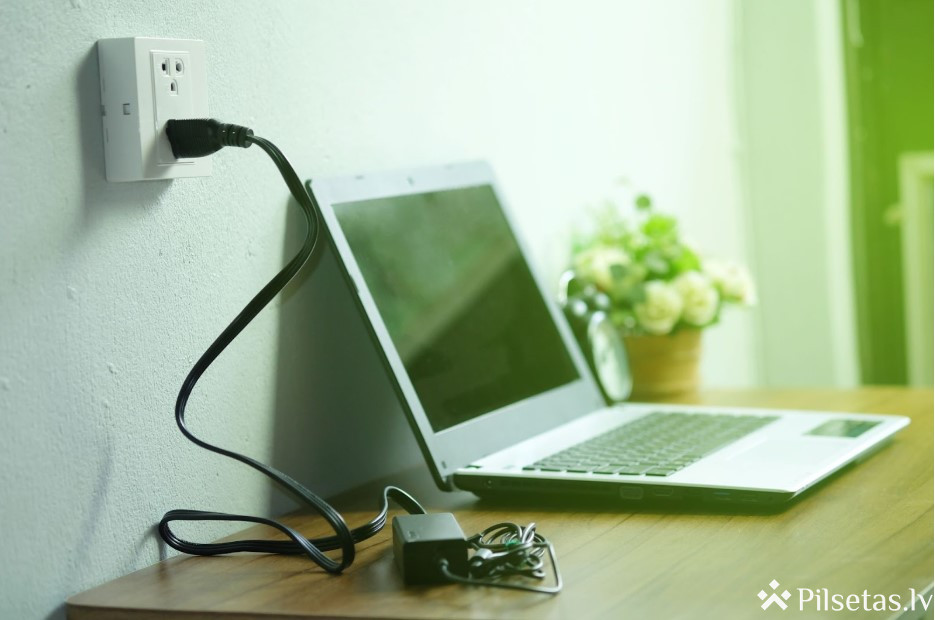
In the operation of modern offices, electricity is one of the most important resources. From lighting and climate control to computers, servers, and household appliances, every element affects a company’s overall energy consumption. Given the rising cost of electricity and the growing importance of environmental sustainability, energy-efficiency strategies in offices are becoming not only an economically sound choice but also a socially responsible one. In this article, we will look at how offices can reduce electricity consumption, improve efficiency, and simultaneously create a healthier working environment.
1. Why Should Offices Pay Attention to Energy Efficiency?
Many companies still do not pay sufficient attention to their daily energy consumption. However, this approach can mean unnecessary expenses and a low level of sustainability.
Financial Benefits
By reducing electricity consumption, offices can significantly reduce their operating expenses. Even simple changes, such as installing LED lighting or using timers, can generate substantial savings in the long term.
Reducing Environmental Impact
Electricity is often generated using non-renewable resources, which produce CO₂ emissions. Efficient energy use helps companies achieve their sustainability goals and reduce their environmental impact.
Strengthening the Company’s Image
Energy efficiency is becoming a competitive advantage—employees, customers, and investors view companies that operate responsibly and sustainably in a positive light.
2. Practical Solutions for Improving Energy Efficiency in the Office
The office environment offers many opportunities to improve energy consumption, even without making capital investments.
Smart Lighting
Replace traditional bulbs with LED lighting, which consumes 70–80% less electricity.
Install motion sensors to ensure that lighting is used only when necessary.
Maximize the use of daylight—open-plan spaces, glass partitions, and blinds that adjust to light intensity.
Effective Climate Control
Install programmable thermostats that automatically regulate the temperature according to working hours and the season.
Maintain the heating and ventilation system to ensure optimal operation and avoid unnecessary energy consumption.
Consider using heat pumps or other energy-efficient climate-control solutions.
Optimizing IT and Office Equipment
Choose energy-efficient devices with an A+++ rating.
Set computers, printers, and other devices to switch off automatically after the working day or a period of inactivity.
Reduce the need for printing by switching to digital documents and archives.
3. Building a Sustainable Office Culture
Technology alone is not enough—long-term results are possible only when energy efficiency becomes part of the company culture.
Employee Engagement
Hold internal training sessions on energy-saving habits.
Introduce energy-efficiency campaigns with goals, challenges, and rewards.
Develop habits such as switching off the lights when leaving a room or turning off the monitor when going to lunch.
Monitoring Energy Consumption
Install smart meters to monitor electricity consumption in real time.
Use data analysis to identify “energy leakage points” and plan improvements.
Green Initiatives
Consider installing solar panels on office buildings.
Cooperate with electricity suppliers that provide green electricity.
Conclusions
Effective electricity management in offices is both economically beneficial and environmentally friendly. With modest technical improvements and employee engagement, it is possible to significantly reduce energy consumption and improve the quality of the working environment. For modern offices, energy efficiency is not merely a matter of costs—it is part of responsible and sustainable business operations.








