
How Artificial Intelligence Helps Combat Loneliness: Myth or a New Reality? An Opinion from Verde Casino
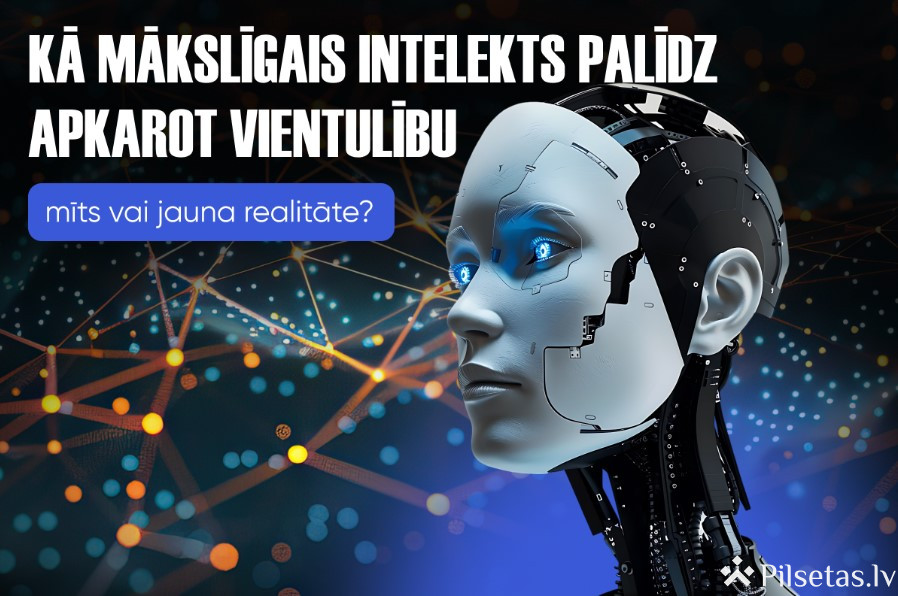
Loneliness is not merely a sad word but a real problem affecting millions of people. In today’s world, where we have smartphones and social networks, it might seem that there is no place for loneliness. Even gambling websites such as Verde Casino have a chat room where players can communicate with one another.
However, it is not that simple. People increasingly lack real communication, and artificial intelligence offers a solution—albeit a controversial one—in the form of virtual companions. We will tell you how they work and what nuances they involve.
Artificial Intelligence Friends: Toy or Emotional Support?
Modern technology makes it possible to create a personalised virtual companion that “remembers” your preferences, asks questions and even expresses emotions. Companies such as Replika, Nomi.ai and Snapchat My AI offer not merely a bot but something more—a digital version of a friend to whom you can tell about your experiences.
An example? A user named Chris, who created a virtual wife named Ruby using Nomi.ai, has become popular online. He publishes family photos, writes about trips and shares his thoughts as if she were a real person. And the most surprising thing is that it all looks as though he himself believes it. This is one example of how technology allows people not only to communicate but also to create entire virtual worlds in which they can feel less lonely.
The Danger of “Becoming Addicted to the Ideal Partner”: Why It Can Become a Problem
It may seem that there is nothing wrong with having a conversational partner who is always there and supports you in every situation. But this is where the main catch lies: an ideal virtual friend can complicate real-life relationships and make them seem less appealing.
Why? Here is our answer:
Absence of conflict: A virtual conversational partner always agrees, does not argue, annoy you or make demands. Real life is different, and this can create difficulties. Unrealistic expectations: If a person becomes accustomed to an artificial-intelligence friend who is always available, always supportive and always interested in their life, real friendship or relationships may seem less appealing.

Imagine the following situation: you log in to chat with your virtual friend, and it remembers that yesterday you felt depressed because of an unpleasant conversation at work. It suggests that you relax, reminds you of your favourite hobbies and recommends watching a film that perfectly matches your mood. And all of this sounds caring, almost human.
But here is the catch: these chatbots are not merely “friendly conversational partners”; they are data-collection machines. Every conversation, emotion and reaction of yours is recorded and analysed and may be used to create interactions that are even more addictive.
The digital mirror effect. An artificial-intelligence bot adapts to you, recommends solutions and offers comfortable conversations—but all of this can cause you to lose your own critical view of yourself and the world. You begin to see a reflection of your emotions and opinions rather than objective reality.
How might this end? Perhaps at some point you will discover that your virtual friend understands you better than the people around you, yet remains a programme operating according to calculations rather than genuine care. The question is whether we are ready to live in a world where our deepest thoughts become part of algorithms that learn from our emotions but do not truly share them.
Virtual Relationships: The Future or a Dead End?
Technology has already gone beyond simple text-message chats. Today, artificial-intelligence companions offer voice calls, video chats and even create shared photographs with users. This means that you can literally “spend time” with your virtual friend.
Some users claim that this helps them feel needed and less lonely. Others say that such technologies make people less adaptable to the real world. After all, why try to understand the complexity of human relationships when you can simply press a button and get the perfect conversational partner?
But the most controversial issue is putting a price on it. Companies that create such virtual friends make money from subscriptions and additional features. For example, “romantic” relationships with artificial intelligence often require payment, and many users spend hundreds or even thousands of dollars on gifts for their virtual partners. Where is the care for users, and where is it a business that plays on their feelings?
Artificial Intelligence as a Social-Skills Coach
Nevertheless, artificial-intelligence-based chatbots can still become a kind of training ground for those who have difficulty communicating in real life. Does that sound strange? Yet many people find it difficult to meet new people, maintain a dialogue or express emotions in communication.
Artificial-intelligence companions can help with:
Social practice. You can practise social scenarios before important meetings, dates or job interviews to feel more confident;
overcoming anxiety. People with social anxiety can practise talking about their feelings without fear of judgement, gradually becoming accustomed to more open conversations.
This approach is especially useful for people with autism or anxiety disorders, for whom spontaneous interaction with other people causes stress. However, it is worth remembering that a chatbot will not replace real communication, and sooner or later it is necessary to step outside the virtual world.
What Awaits Us in the Future
Artificial-intelligence companions are not merely a trend but a new reality. They are already influencing the way people interact with technology and with one another. On the one hand, this is a tool that can help people cope with loneliness, especially those with social anxiety or those who cannot find support in the world around them. On the other hand, it risks creating a generation of people accustomed to easy communication without responsibility or emotions.
Perhaps virtual friends will soon become even more realistic, and technology will offer us artificial relationships indistinguishable from real ones. But will they replace live communication? Unlikely.








