
How Did the Ancient Greeks Understand Magic, and How Did It Differ from Religion?
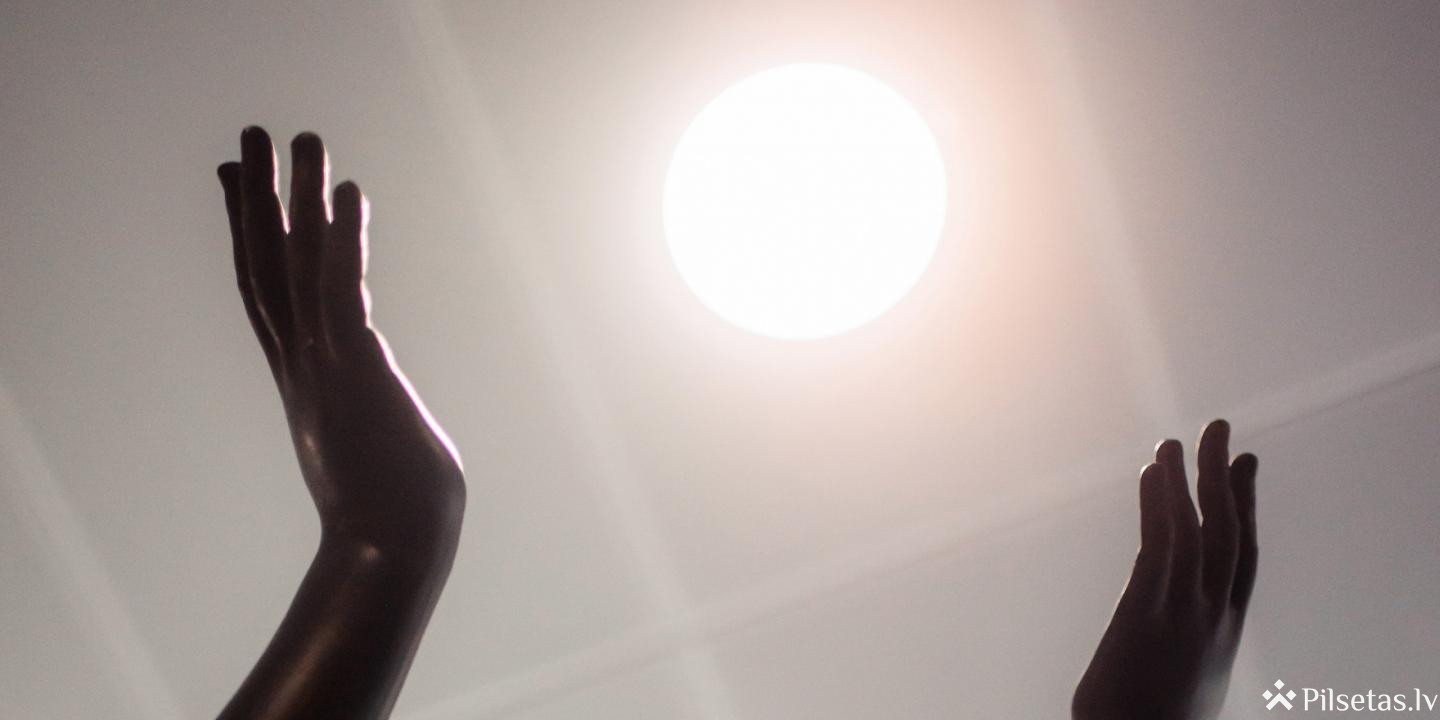
As part of Greek Days, visitors to the Museum Repository will have the opportunity to expand their knowledge of the literary heritage of ancient Greece and explore literary and practical ritual texts while examining the differences between magic and religion in ancient Greek culture.
Together with Dr Gatis Ezerkalns, PhD in Philology we will explore ancient sources—literary and practical ritual texts—to understand how incantations, mysterious signs and invocations of the gods were used in the ancient world for protection, love, good fortune and influencing opponents. We will also discuss the significance of numbers and repetition in rituals, practitioners of magic, what ancient texts reveal about everyday life and thought in antiquity—and why some of these ideas still seem surprisingly familiar.
The event takes place as part of “Greek Days”, organised by the Latvian National Museum of Art in cooperation with the Embassy of Greece in Latvia and lecturers from the University of Latvia to mark Greek Independence Day, celebrated on 25 March. The three-day programme will take place at the Museum Repository (8 Pulka Street, Riga), in the exhibition of casts of ancient and Renaissance sculptures, “Sculpture Forest”.
Additional information
- The event will take place in the “Sculpture Forest” exhibition.
- Visitors are advised to arrive at the museum approximately 10–15 minutes before the event begins so that they can use the cloakroom facilities at their leisure.
- Please note that public events organised by the Latvian National Museum of Art are filmed and photographed in order to keep the public regularly and purposefully informed about the museum’s programme, work and current activities.








