
How to Choose a Patio Heater?
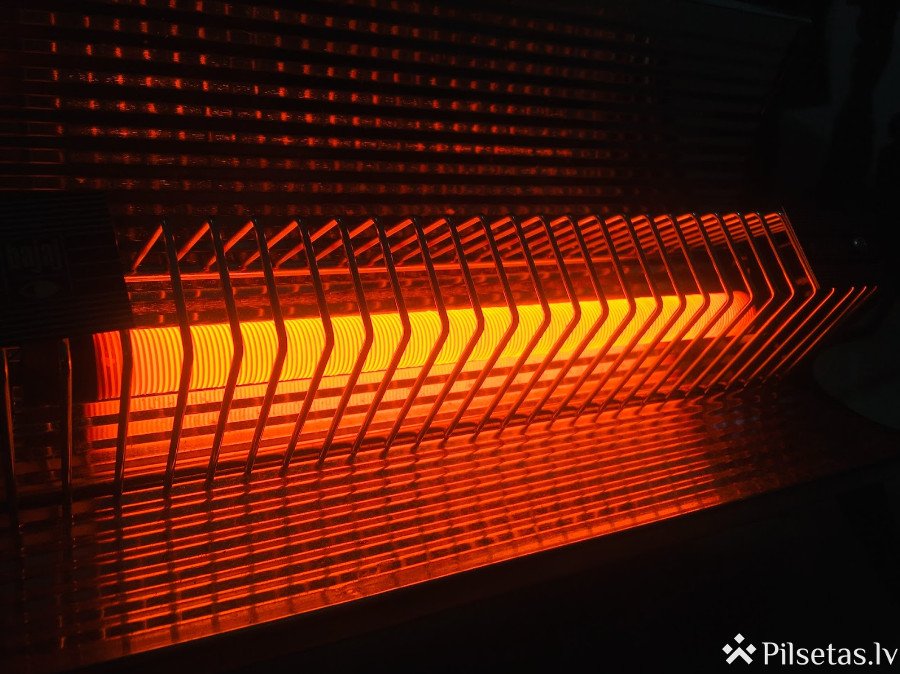
You will most likely agree that warmth is one of the prerequisites for cosiness and comfort, especially during the cool and cold seasons—and why not enjoy your outdoor space even in damp weather? This is where patio heaters come in. They are excellent outdoor accessories that add a unique, decorative accent to your outdoor setting. Providing warmth and a gentle glow, an outdoor heater creates a pleasant atmosphere even during the coldest autumn and winter months. Tonro offers heaters in a variety of styles and types, so read on to choose the most suitable one for your patio.
What type of heat and fuel should you use?
Advantages and disadvantages of natural gas.
Natural gas heaters are fixed and not portable.
Natural gas heaters are connected to a fixed gas line, which means users do not have to replace gas cylinders regularly.
More environmentally friendly than propane gas heaters.
The lowest operating costs, but professional installation is required.
Advantages and disadvantages of gas.
Propane gas heaters do not require professional installation; they are portable and easy to use.
Operating costs for propane-powered heaters are higher because the propane cylinders that fuel this type of equipment must be replaced regularly.
Infrared and electric heaters.
Infrared heating is an effective source of warmth because the heat is absorbed and retained by surrounding objects rather than dispersed through the air. The heat absorbed by objects is gradually released into the air.
Electric heaters, on the other hand, take little time to warm up. These heaters are very convenient, and professional installation is rarely required. Electric heaters are environmentally friendly because they produce no emissions, but this type of fuel is very expensive.
Important features when choosing a patio heater:
Environmentally friendly: Look for a heater that is energy-efficient and will save fuel.
Tip-over switch: If the heater is tilted beyond a certain angle, the tip-over switch automatically turns it off.
Safety shut-off: In emergencies, the safety shut-off conveniently cuts off the fuel supply to prevent a fire hazard.
Before purchasing a heater, you must determine the minimum output required for the intended application. This can be done using the following formula:
V x ΔT x K = kcal/h.
V – volume of the space to be heated (width x length x height) m3.
ΔT – difference between the outdoor temperature and the desired indoor temperature (expressed in °C).
K – heat-loss coefficient.
Our range offers a very wide selection, while the variety of designs makes it easier to find one that will fit seamlessly into your interior. However, if you have any questions or are unsure about your choice, contact us! We will be happy to help you.








