How to Choose Bathroom Tiles? 5 Tips
Bathroom renovation is a complex and time-consuming process, but a well-thought-out design vision can make it considerably easier. Tiles are one of the main design elements of this room, so they deserve extra attention. But how can you avoid feeling overwhelmed by the extensive selection? Keep reading—these 5 tips will help you find the most suitable bathroom tiles!
1. Choose no more than three different types of bathroom tiles
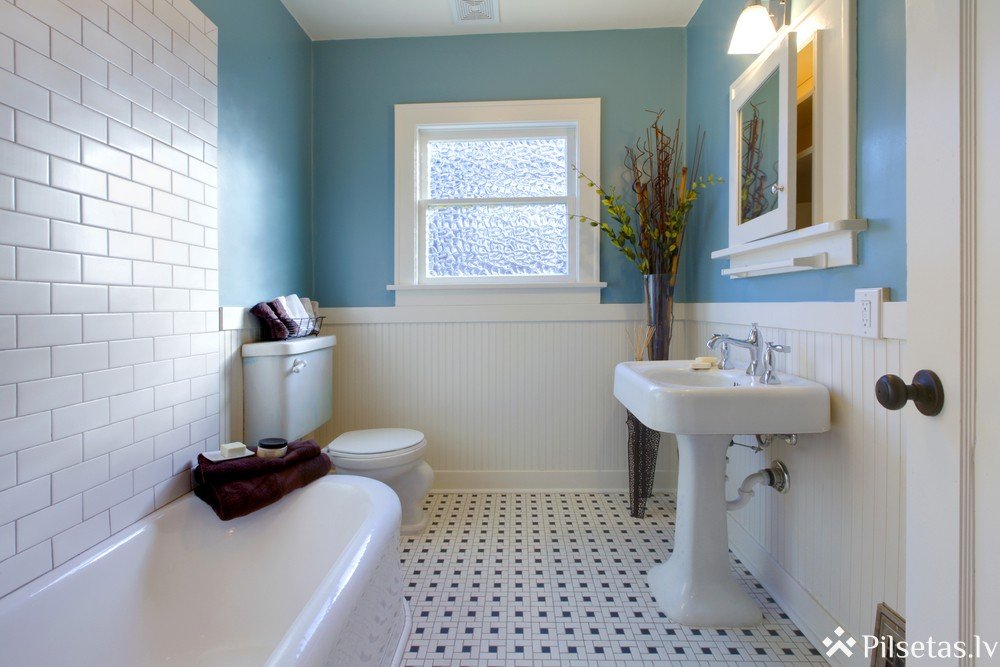
When renovating a bathroom, you should not get carried away with an excess of tiles—it can make the room look chaotic and tasteless. Usually, three types of tiles are used in a bathroom:
floor tiles—if you want to make the room look larger, lay the bathroom floor tiles diagonally;
neutral wall tiles—these cover most of the room, as well as the shower or bathtub area;
accent tiles—these give the room’s design its distinctive chosen mood and draw attention to specific areas.
2. Determine the desired tile size
If the room is small, choose medium-sized bathroom floor tiles. Both tiles that are too large and those that are too small can make the room look narrower. Small wall tiles are useful for creating an accent wall, while large wall tiles arranged in a horizontal or vertical line on the wall will help expand the room.
3. Highlight a special area
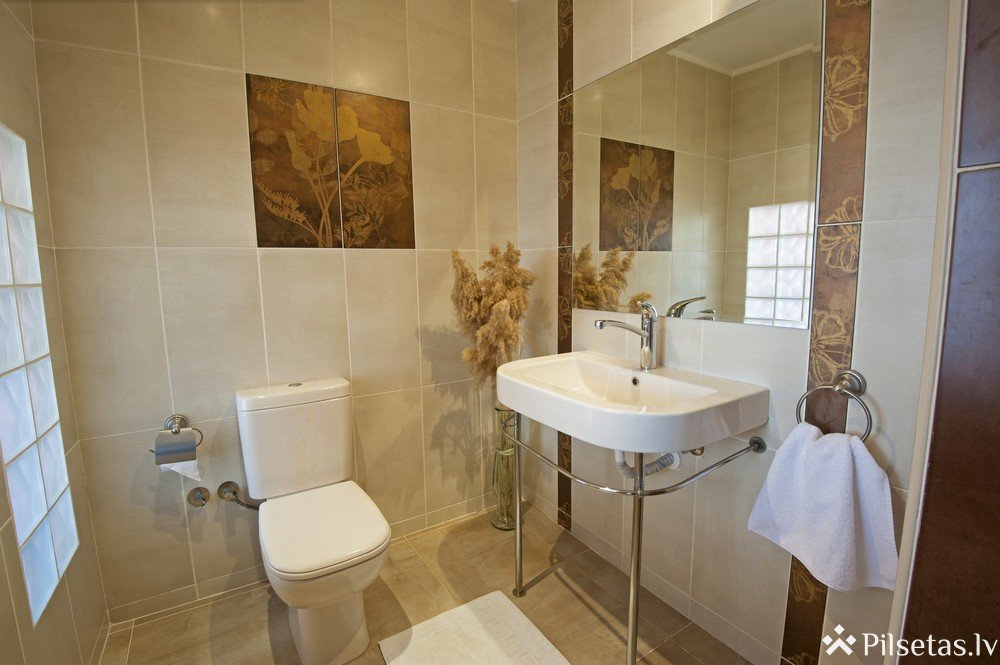
To make the bathroom look harmonious yet interesting, you can highlight a special area in a neutral design—a section of wall on which to create a pattern with accent tiles. Plan, for example, a wall or part of one covered with:
tiles in different patterns but the same color;
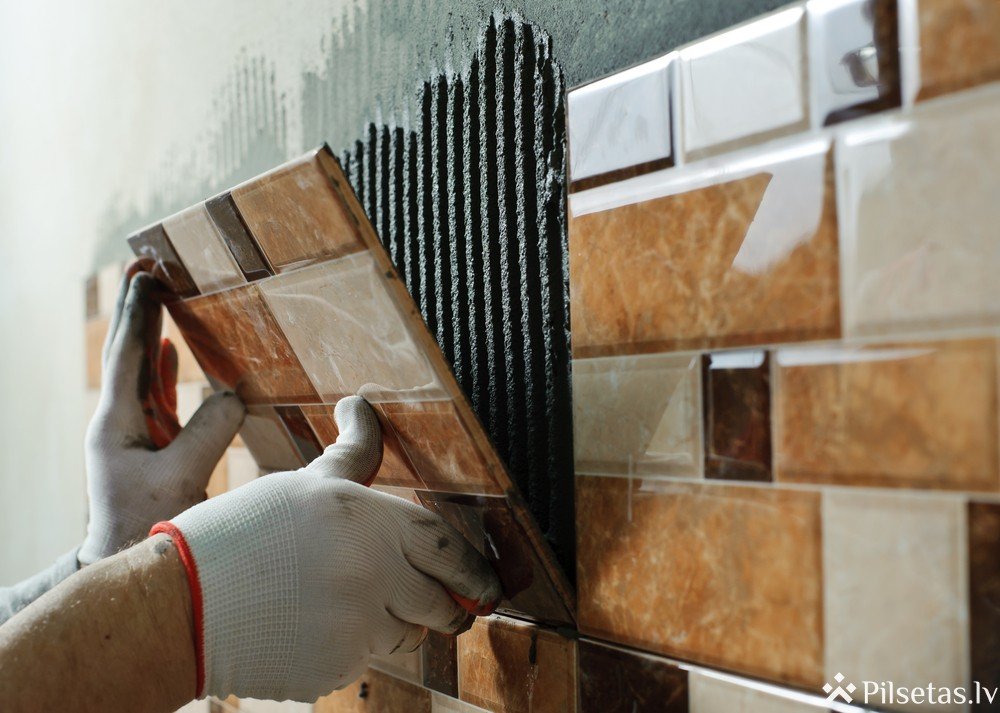
mosaic-style tiles;
tiles with a pattern resembling wood or another natural material;
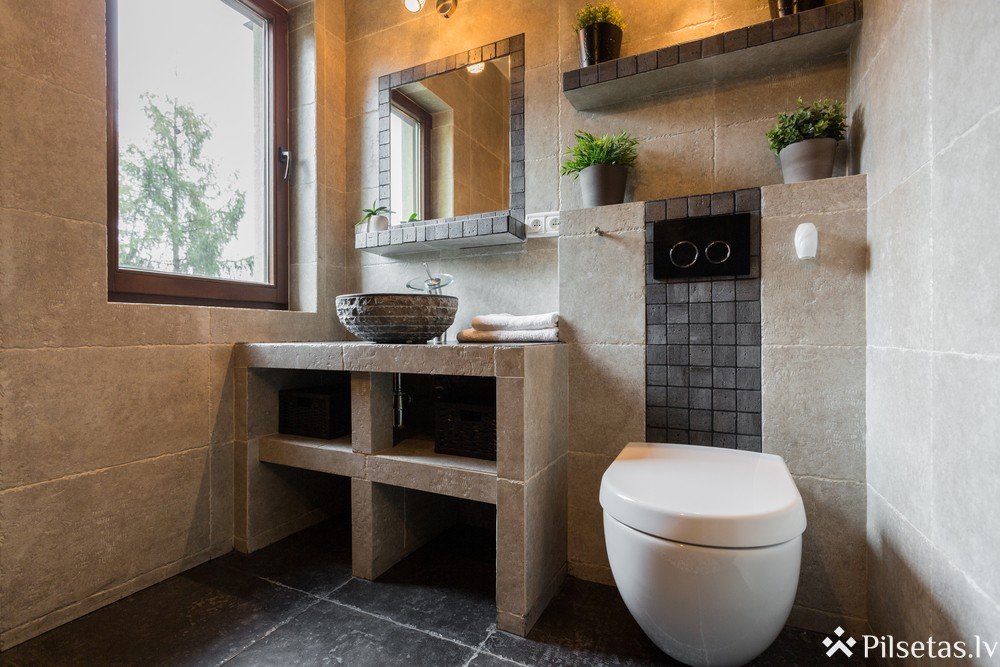
tiles with a distinctive texture, etc.
Idea! You can also do the exact opposite—cover the entire room with neutral tiles and leave an area without any tiles at all as the accent wall!
4. Consider the tile materials and their maintenance
Who actually enjoys cleaning tiles? By choosing an easy-to-maintain material from the outset, you will save a great deal of time later. Each material has its own advantages and disadvantages:
natural stone wall tiles add elegance to the bathroom, but their texture allows dirt to accumulate more easily. If you want to use stone tiles, it is better to lay them on the floor in an area of the room that will not often get wet;
ceramic tiles do not “stand out from the crowd,” but they are readily available, easy to install, and easy to clean;
porcelain tiles are easy to maintain and harder and more durable than ceramic tiles. Therefore, they are often more expensive and more difficult to install;
glass tiles are not cheap, but they look very beautiful and reflect light, making the room appear larger. However, they are also very slippery and are not recommended for use on floors.
5. Pay attention to color
Tile color is undoubtedly a very important design element. Here are a few ideas for choosing it:
if the room is small, opt for light, neutral, and pastel shades. This bathroom tile design will help maintain a spacious and airy atmosphere;
for larger rooms, you can also use dark, rich colors. For example, sea blue or earth tones. Remember that dirt will be much more noticeable on very dark tiles, just as it is on white tiles. If you want to avoid this, medium shades and gray are good options;
allow yourself small pops of color. Install brighter or more unusual tiles, for example, a mosaic pattern in the shower or bathtub area, or on the ceiling, etc.;
create contrasts—dark floor tiles will look great combined with light wall tiles.
The tips for a new bathroom tile design were compiled by SMSCredit.lv! Find out more about how to successfully plan your renovation expenses in the latest blog article, “Bathroom Renovation—What Expenses Should You Expect?”