
Fill your orchid stems with flowers in spring! An expert shares “tricks” to help the plant bloom again
Published: 14.03.2022
Add Events
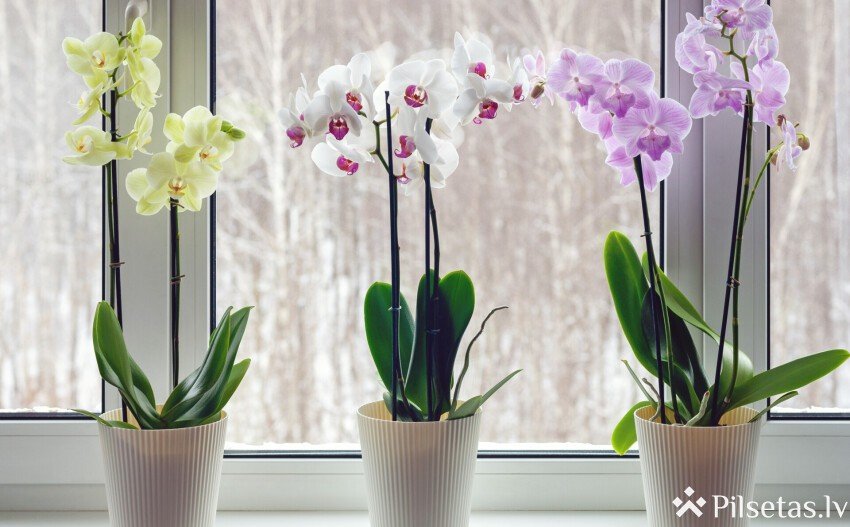
Orchids are among the most commonly grown houseplants because they bloom for a long time and, if cared for properly, can flower again countless times. British houseplant expert Kate Lindley shares tips to ensure that orchids delight us with abundant flowers in spring.
When an orchid has finished flowering, it enters a stage known as dormancy. At first, it may seem that the houseplant has died, but that is not the case. This dormant period is a time of rest during which the plant has time to replenish the nutrients used during the flowering process. This “dormant period” usually lasts several months, after which the orchid will have enough energy to bloom again. However, orchids sometimes need help during this process and require even more attention than before.
“As with many plants, sunlight is also very important for orchids, but it is essential to place the plant in indirect sunlight or even partial shade. Of course, the plant will not bloom in the shade, but during its dormant period it can safely be placed farther from the window,” says houseplant expert Kate Lindley.
She also advises against overwatering the plant. Although orchids are native to the tropics and need plenty of moisture, make sure that the soil is moist but not wet or waterlogged. “Orchids are susceptible to root rot. If you soak them, sooner or later the plant will die,” the expert stresses.
Repot the plant only when absolutely necessary. Aerial roots are the most confusing part of an orchid, and some less experienced flower growers may even think that, when repotting, they must definitely put them into the pot. That would be a mistake—orchids should not be disturbed unnecessarily!
“Spring is the time when we can also start using fertilizer to provide the orchid’s soil with the necessary nutrients. Usually, most orchids need a mixture of nitrogen, phosphorus, and potassium for optimal growth, so invest in a specialized plant food that can provide the perfect balance. Simply add five to 10 drops of fertilizer to half a liter of water each time you water the plant,” the expert adds.
Categories:
Other;








