
Study: Almost half of Latvia’s population do not spend enough time on physical activity in their daily lives
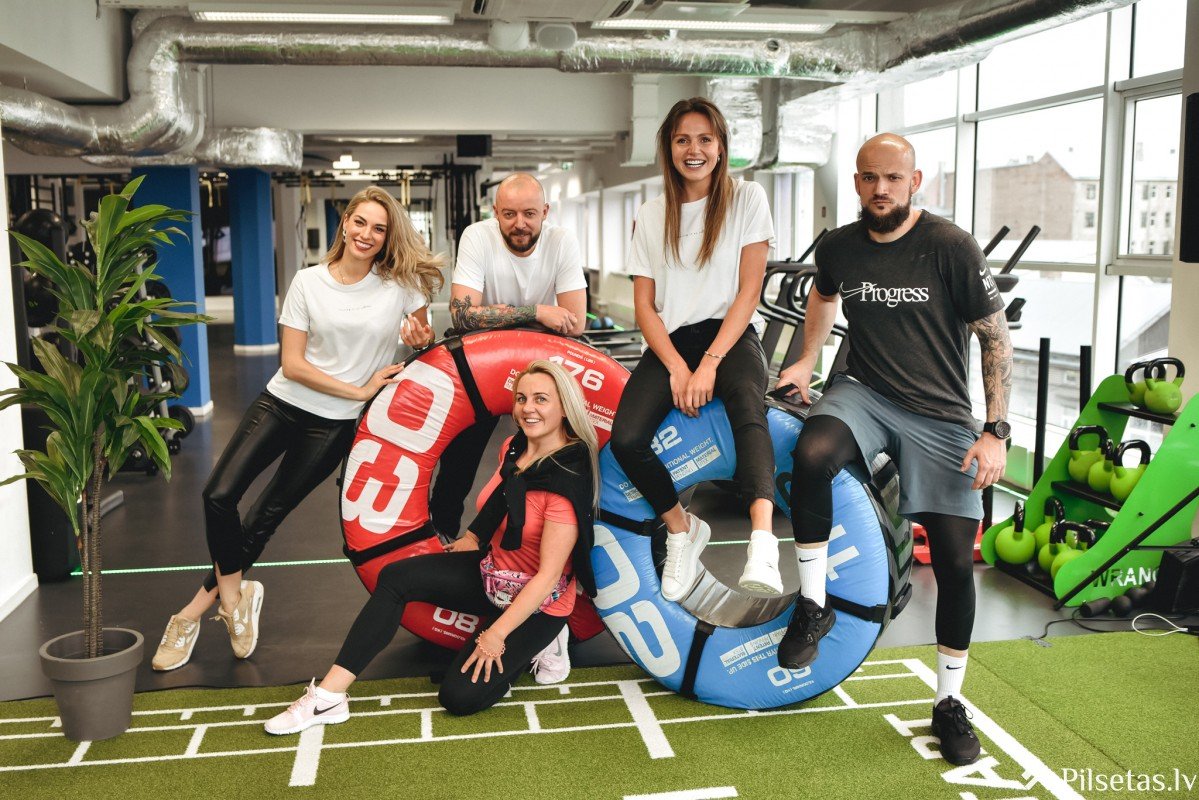
The summer season is traditionally an active time filled with various sporting activities, yet, as revealed by a study conducted by the Rexona brand on the daily movement habits of Latvia’s population, 47%, or almost half of those surveyed, engage in physical activity too infrequently or not at all. Although one quarter of respondents exercise regularly, they are predominantly young people aged 16 to 25, while older people, for whom such activities are equally necessary, exercise considerably less often. The study reveals that the main obstacles preventing people from exercising regularly are lack of time, weakness, fatigue and laziness; however, the majority of those surveyed indicate that they would like to engage in physical activity more often.
Previous studies have shown that there is considerable interest in sport in society, but this most often takes the form of following various sports. The results of a 2017 Eurostat survey also show that Latvia’s residents are among the least active exercisers in Europe, falling well below the average. However, positive trends can also be observed: 71% of those surveyed say that they would nevertheless like to be more active, indicating that people are aware of the importance of physical activity in everyday life. It was found that the most popular activity among all respondents, cited in 56% of cases—and especially popular among women—is taking longer walks. This is not surprising, as this activity requires no special preparation or financial investment and is an excellent opportunity to combine the pleasant with the useful, for example, by walking home from work or school. Moreover, most people know that a walk lasting at least half an hour each day benefits both physical and mental health. Residents rank visits to the gym and fitness training as the second most popular form of exercise, while cycling comes third; cycling is particularly popular during the warmer months of the year.
Almost one fifth of people indicated that they mainly use a car or motorcycle for their daily travel, and most of them are men over the age of 35. It is precisely this segment of society that should engage in physical activity more often, given the grim statistics on cardiovascular disease—in Latvia alone, approximately 16,000 people die from this cause every year. As is known, regular exercise and a healthy diet are key to combating these diseases, a fact also reflected in the respondents’ main motivations for adopting an active lifestyle: the desire to stay in good shape (55%), improve their health (48%) and promote general well-being (47%). However, lack of time is the greatest obstacle to fulfilling this desire, according to almost half of those surveyed. Weakness, fatigue and laziness stand in the way of more than one third of respondents, particularly women and young people, who are also often hindered by a lack of motivation. It is therefore only logical that more than half of those surveyed admit that they would engage in sporting activities more often if they had more free time. Young people, meanwhile, say that they would gladly receive additional professional assistance and would welcome company with whom to engage in physical activity, thus combining exercise with socialising. Significantly, more than 37% of those surveyed indicate that their workplace or place of study does not offer the opportunity to engage in physical activity, although they would gladly take advantage of it. The survey data clearly show that Latvia’s residents need an effective and convenient way to incorporate sporting activities into the fast pace of everyday life.
The study also examined how readily Latvia’s residents are prepared to integrate various modern technologies into their sporting activities. Although 60% of those surveyed indicated that they do not use any devices or aids when exercising, more than one third said that they use an app on their phone. Given the extensive possibilities offered by touchscreen phones, it is only natural that this device is also used to help people assess their physical activity. Most often, this is done to track time and distance, but interestingly, one third of the men surveyed acknowledged that it is also important for them to be able to follow their friends’ activities and progress. More than half also indicated that they would like to monitor their pulse and other health indicators; the ability to set a personal goal and track progress is also important. Experts acknowledge that setting specific goals is the best way to help people fulfil their aspirations, while the opportunity to track one’s progress motivates people not to give up and to continue what they have started. Latvia’s residents should therefore consider whether using modern technologies could help them become more active and, consequently, healthier.
To motivate the people of Latvia and the Baltics as a whole to move more in their daily lives and be more physically active, this season, as part of the “Move More – Live More!” campaign, the Rexona brand has launched a new 5000 Steps smartphone app. It allows users to conveniently track the number of steps they take each day, challenge themselves and their friends, set new records and win valuable prizes in themed weekly and monthly challenges.








