
A Dog Joins the Family: Canine Expert Ivars Lielpēteris Shares His Advice
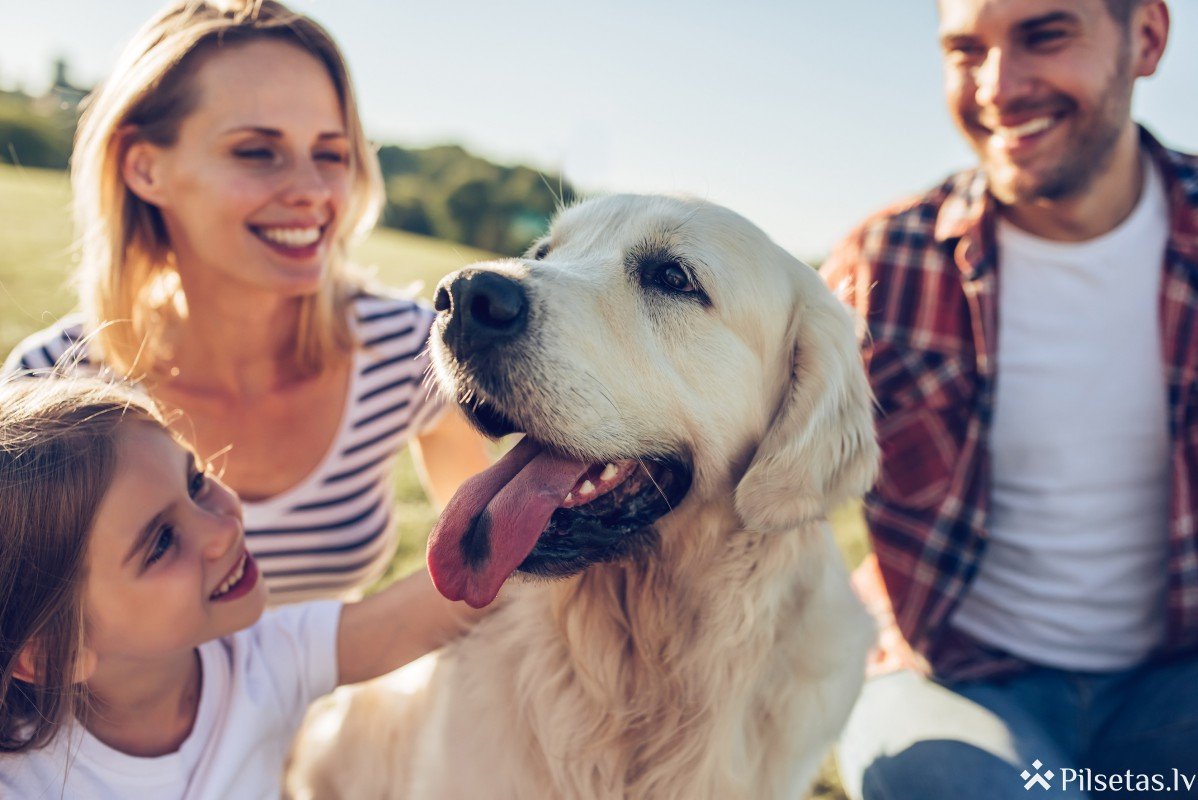
Sooner or later, many families start thinking about getting a pet. Most often, it is children who initiate the idea, wanting a puppy or a kitten and reminding their parents about it day after day. When is the right time to decide to bring an animal into a family with children, and what should be taken into account when choosing the most suitable pet? Experienced canine expert Ivars Lielpēteris shares a range of useful tips to bear in mind when deciding whether to choose a puppy or an adult dog. This month, he is also leading Summer Dog School sessions for children at the “Labās mājas” animal shelter as an expert. This is an unprecedented social responsibility initiative organised by the online retailer Barbora.lv.
Ivars Lielpēteris has spent most of his life communicating with dogs and seeking to understand their psychology. His own children are also growing up alongside these pets, so over the years the canine expert has identified several important aspects to consider before getting a four-legged friend. First and foremost, prospective owners must assess whether they can devote enough time to a dog. Regardless of whether a family lives in a private house or an apartment, every dog needs at least 1.5 hours of walks each day. The most common mistake people make is failing to assess their lifestyle objectively: only after getting a dog do they realise that they cannot train and engage with it as frequently and for as long as necessary to provide the daily activity it needs, causing it to seek other outlets for its energy, such as chewing shoes or digging up the garden.
It is equally important to remember that a dog’s size is not the main factor to consider when choosing a family pet. Small dogs can also be highly active, so before choosing the breed that best suits them, prospective owners should carefully familiarise themselves with its characteristics and understand the purpose for which that particular breed was developed. If a dog is a herding or hunting dog, it will undoubtedly be active and a short walk around the nearby park will not be enough. Simply letting a dog out into the yard of a private house also does not provide the amount of activity it needs each day. Owners therefore need to set aside time every day for their pet, involving the children in these activities and teaching them responsibility for the dog from an early age. However, it is important to remember that, no matter how much a child may want a pet, one cannot rely on the child always wanting to care for a living creature.
Finally, when considering bringing a dog into the family, the canine expert encourages parents to assess the everyday risks involved as well. For example, it is important to remember that adults are primarily responsible for safety at home, and a child should never be left alone with a dog. This is especially important during the first few months, when the dog is still becoming accustomed to its new surroundings and the child is still learning how to handle a pet properly. It is essential to teach younger children, through clear examples, what they may and may not do around a dog. However, parents must understand that most children will still want to pet the dog, lie in its bed or play while it is eating. They should therefore be prepared in advance to prevent potential dangers, ensuring that neither the child nor the dog is harmed in their interactions.
The canine expert Ivars Lielpēteris presented these and other tips on bringing a dog into the family in person to primary-school-aged children at the Summer Dog School sessions organised by the online grocery store Barbora.lv. This summer, the sessions are taking place at the “Labās mājas” Animal Shelter.








