
The Impact of Technology on the Environment and Business
The Industrial Revolution created new technologies that benefited people's lives in various ways. Unfortunately, at the same time, the industrialisation of the 1700s and 1800s initiated human-caused harm to the environment. The new manufacturing processes of that era, during the Industrial Revolution, paved the way for greater technological progress throughout the world. The more technology developed, the more harm was done to the environment due to the depletion of natural resources and pollution. Now, we may finally have reached the point where technological advances can help the world escape ecological disaster.
The Internet
Some modern technologies help protect the environment. For example, e-commerce consumes one-third fewer resources than traditional stores because people do not have to travel to stores to collect their goods. The same applies to things such as online casinos. The more people visit online casinos, the less pollution will be generated by travelling to traditional casinos and maintaining their infrastructure. Therefore, the internet helps reduce carbon emissions.
Renewable Energy Technologies
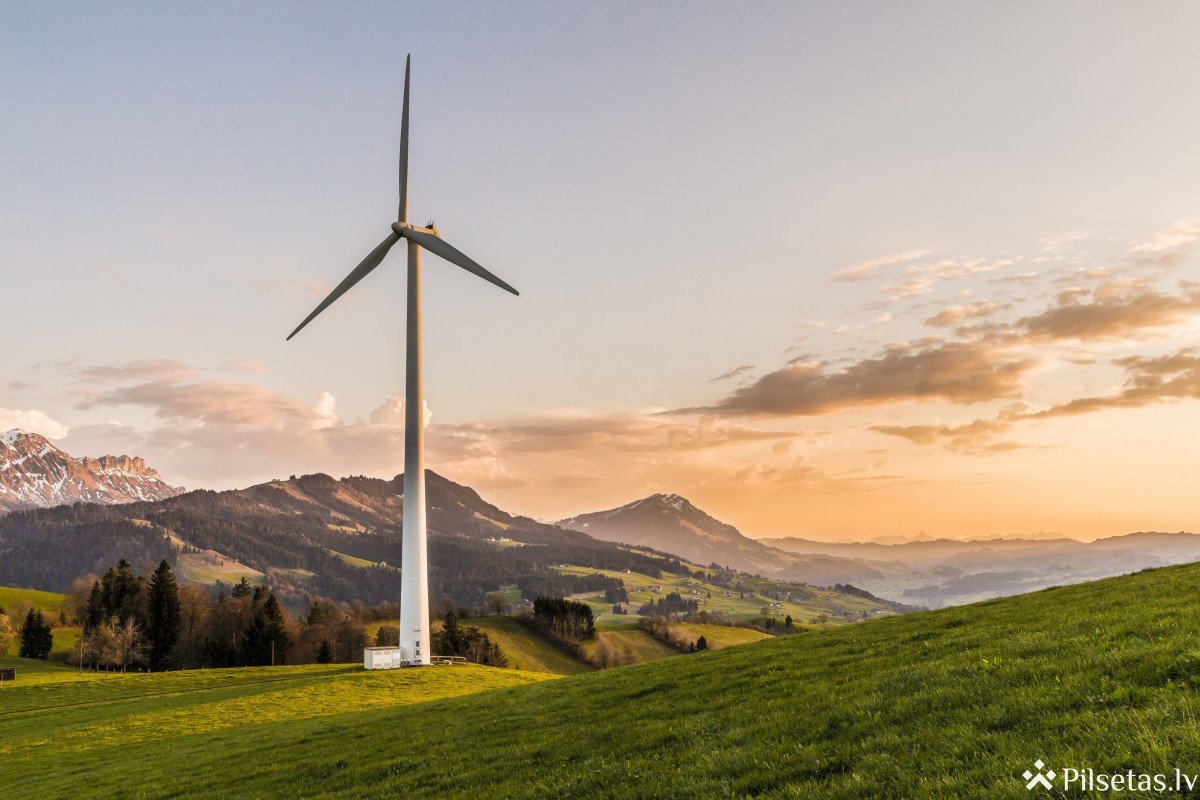
As environmental destruction has reached a crisis point, the number of global companies developing and using new environmental technologies to create a sustainable, low-carbon world has recently increased. Renewable energy is one way in which technology is developing to help protect the environment. Energy is generated from renewable resources such as wind, rain, and sunlight. Technological advances such as wind and water turbines are the future.
The Internet of Things (IoT)
The Internet of Things is a system of interconnected computing devices, mechanical equipment, and digital devices that can transmit data over a network without requiring interaction between people or between people and computers. The Internet of Things is now being used to help protect natural resources such as water supplies and forests. Remote sensing and geographic information systems can help large-scale farmers and foresters monitor and better manage their operations. For example, a system can accurately identify trees that are old enough to be harvested, and it can monitor soil quality and irrigation.
Smart Technologies
Smart technologies are not always beneficial to the environment. For example, a smart thermostat encourages electricity consumption and, consequently, the extraction of essential raw materials. However, smart technologies also have advantages. When used sensibly, smart devices can save energy because they regulate and improve the use of things such as heating, water, and lighting. Items such as smart refrigerators keep track of the food they contain, which prevents food waste and reduces the number of car trips to the supermarket.
Electric Vehicles
The world is increasingly recognising that the extraction of fossil fuels is destroying the planet. Over the past decade or two, there has been a significant increase in the production of electric vehicles, and some countries hope to switch entirely to electric transport in the near future. Electric cars are powered by electric motors using energy stored in rechargeable batteries, which means that they do not produce carbon emissions.








