
The Importance of Food Packaging Quality: How the Right Packaging Ensures Safety and Freshness
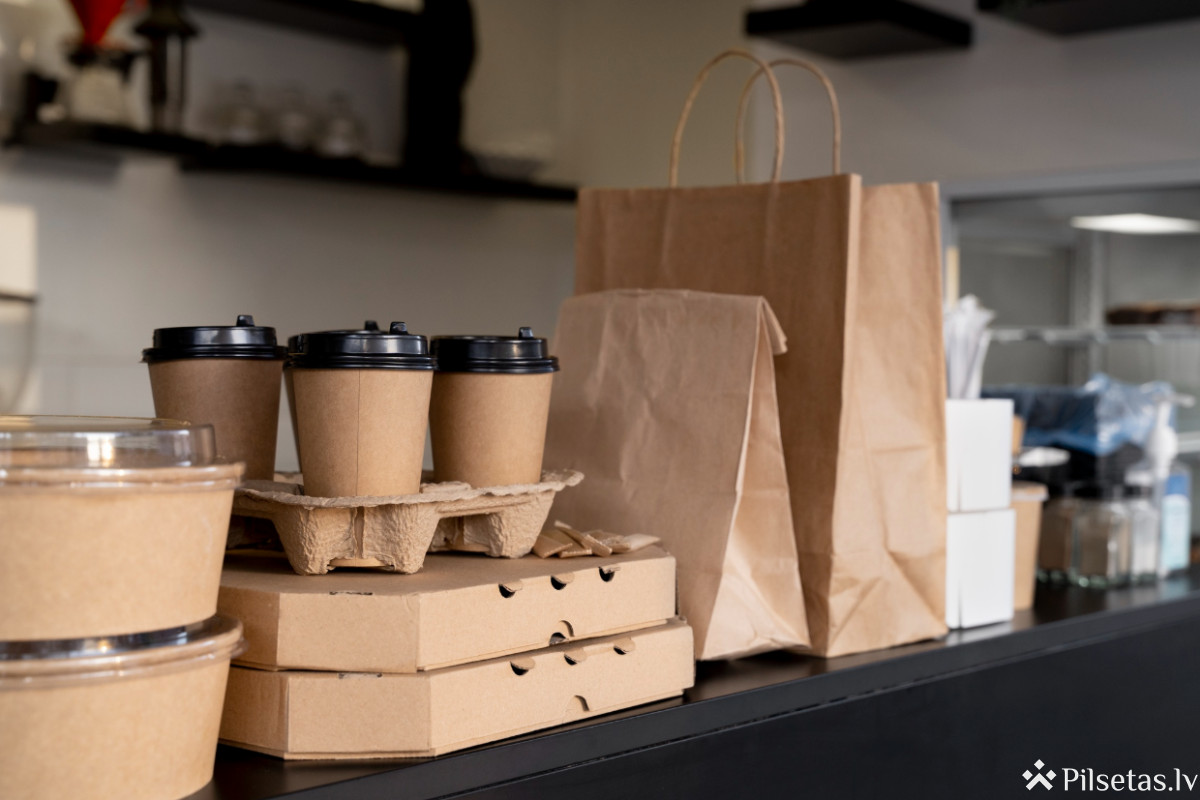
Today, food quality is one of the most important factors consumers consider when choosing products. However, it is often forgotten that not only the product itself but also its packaging plays an important role in this process. Properly selected packaging ensures not only convenient transportation but also directly affects food safety and freshness.
Food products are sensitive to environmental influences—air, moisture, temperature, and microorganisms. High-quality packaging helps protect the product from these factors, preserving its nutritional value, taste, and visual appeal.
Furthermore, packaging is also an important element of trust. Consumers often judge a product by the quality of its packaging—it signals the manufacturer’s attitude toward safety and quality.
Why Food Packaging Is So Important
Food packaging is not merely a visual or practical element—it is an essential factor that ensures the product’s safety throughout its journey to the consumer. From production to transportation and storage, packaging protects food from environmental influences.
One of the main functions of packaging is protection against contamination. It prevents bacteria, dust, and other unwanted substances from entering the product, which could endanger human health. That is why compliance with hygiene standards is particularly important in the food industry.
Packaging also helps extend a product’s shelf life. Properly selected materials and airtightness reduce contact with air and moisture, which are the main causes of food spoilage.
The consumer’s trust is no less important. High-quality, thoughtfully designed packaging creates a sense of safety and a positive impression of the product as a whole. It is often the first factor influencing a purchasing decision.
Thus, food packaging is not only a means of protection but also an important component of quality and reliability.
How Packaging Affects Food Freshness
Food freshness largely depends on how effectively packaging can protect the product from environmental influences. Even minor mistakes in packaging selection can significantly reduce a product’s quality and shelf life.
One of the main factors is exposure to air. Contact with oxygen promotes oxidation processes, which can cause changes in taste, colour, and nutritional value. Therefore, airtight packaging is especially important for many food products.
Moisture is equally important. Excessive moisture can promote the growth of mould and bacteria, while air that is too dry can cause the product to dry out. High-quality packaging helps maintain an optimal balance.
Light can also affect food quality, especially in the case of products sensitive to UV radiation. In such cases, special materials are used to reduce the impact of light.
During transportation, packaging performs another important function—it protects the product from mechanical damage. This is particularly important for fragile or easily deformable food products.
Overall, properly selected packaging helps keep a product fresh, safe, and high-quality until it is used.
Different Types of Food Packaging and Their Uses
Various types of packaging are used in the food industry, each with its own advantages depending on the product’s characteristics and storage requirements. Choosing the right material is essential to ensure both safety and quality.
One of the most common solutions is plastic packaging. It is lightweight, durable, and often provides good airtightness, which helps preserve freshness. Cardboard packaging, on the other hand, is more commonly used for dry products or as outer packaging because it is more environmentally friendly and easy to adapt.
Biodegradable materials are also becoming increasingly popular, allowing the environmental impact to be reduced while maintaining functionality. Such solutions are particularly relevant for companies wishing to combine quality with a sustainable approach.
Fresh products such as fruit, vegetables, or meat require packaging that provides ventilation or a controlled environment. For confectionery products, protection is important, but so is visual presentation.
Specialised solutions make it possible to adapt packaging to specific needs—from vacuum packaging to heat-resistant containers for ready-made meals. This approach ensures that each product is stored under optimal conditions.
How to Choose Suitable Food Packaging
When choosing food packaging, it is important to consider several factors that directly affect the product’s quality and safety. The wrong choice can lead to faster spoilage or even cause the product to fail to meet hygiene requirements.
First, the type of product must be taken into account. Liquid, oily, or moist products require completely airtight packaging, whereas simpler packaging may be sufficient for dry products.
Another important aspect is the storage period. If a product is intended for longer-term storage, the packaging must provide a higher level of protection against air, moisture, and light.
Temperature conditions also play an important role. Products stored in cold conditions or exposed to temperature fluctuations require more durable and stable materials.
Practicality is equally important—the packaging must be convenient for both the seller and the consumer. This includes easy opening, closing, and transportation.
Various solutions are available today, and suitable food packaging can be selected according to specific needs, ensuring both quality and ease of use.
Common Mistakes in Food Packaging
Even a good product is not enough—improper packaging can significantly impair its quality. Mistakes that affect both safety and freshness are common in the food industry.
One of the most common mistakes is choosing an unsuitable material. If the packaging does not match the product’s characteristics, it cannot provide sufficient protection against air, moisture, or temperature effects.
The importance of airtightness is also often underestimated. If the packaging is not tightly sealed, the product spoils more quickly and loses its quality.
Another problem is an inappropriate size. Packaging that is too large increases the amount of air inside, while packaging that is too small may deform the product or make it difficult to store.
Hygiene requirements must not be ignored either. Insufficient cleanliness during the packaging process can create a risk of contamination and endanger consumers’ health.
By avoiding these mistakes, it is possible to significantly improve food quality and ensure that the product reaches the consumer safely and fresh.
How Packaging Affects Food Quality in the Long Term
Food packaging affects not only the product’s initial condition but also its quality over a longer period. Properly selected packaging helps preserve the product’s properties from the moment of production until use.
One of the most important aspects is preserving taste and aroma. Contact with air and external odours can significantly affect a product’s organoleptic properties, so high-quality packaging helps keep them unchanged.
The product’s visual appearance is also important. Food that retains its colour, texture, and shape is perceived as fresher and higher-quality. Packaging protects it from deformation, drying out, and the effects of moisture.
Food safety is equally important. During long-term storage, protection against microorganisms, oxidation, and other processes that may make the product unsafe to consume is particularly essential.
Overall, high-quality packaging is an investment in a product’s longevity—it helps preserve not only freshness but also nutritional value and consumer trust.
The Importance of Food Packaging in the Modern Food Industry
In today’s food industry, packaging is no longer merely a means of protection—it is a strategic element that affects both product quality and a company’s reputation. As consumer expectations grow, increasing attention is being paid not only to the product itself but also to how it is packaged.
High-quality packaging helps ensure consistent product quality, regardless of whether the product is stored in a warehouse, transported, or sold in a shop. It reduces losses, extends shelf life, and helps maintain high food safety standards.
At the same time, packaging is becoming a communication tool. It reflects a brand’s values, quality level, and attitude toward consumers. For this reason, companies are increasingly investing in solutions that combine functionality, safety, and aesthetics.
In the long term, properly selected packaging helps not only preserve food freshness but also build trust between the manufacturer and the consumer. That is precisely why it is one of the most important elements throughout the food supply chain.








