
The Main Differences Between Board Games and Gambling
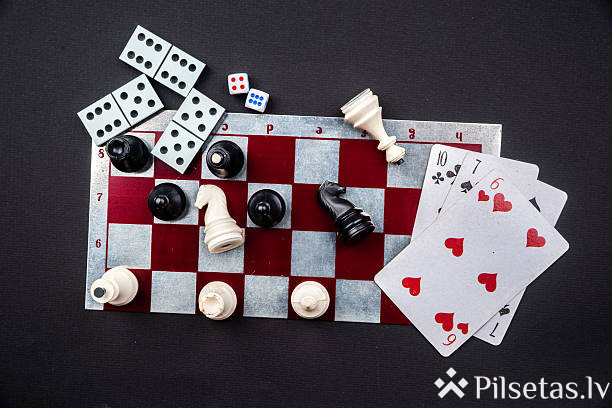
Board games and gambling have been popular forms of entertainment for centuries. Both offer excitement, varying degrees of social interaction, and the opportunity to test your luck and skills. Although they have some similarities, they differ significantly in several respects. In this article, we will examine the differences between board games and gambling, exploring their unique characteristics, social aspects, and the benefits they offer.
1. The Element of Chance/Luck:
Board games: board games are primarily based on your skills. To succeed in board games, you often need to plan a strategy, engage your analytical and critical thinking, and make decisions. Although some elements of luck may be involved, such as rolling dice, they are usually insignificant compared with the strategic aspects.
Gambling: Gambling is primarily based on chance. Games such as roulette, slot machines, and lotteries depend substantially on random outcomes, and players have little control over the results, making them purely games of chance.
2. Social Interaction:
Board games: board games naturally encourage social interaction. They bring people together, prompting conversation, cooperation, and sometimes even conflict, but this only adds to the flavor of the game. Board games often help build and even strengthen relationships between friends and family members.
Gambling: Although some forms of gambling, such as poker, involve social interaction and skill—especially when played in person, allowing players to observe and communicate with their opponents—many other forms of gambling naturally discourage social interaction or are strongly competition-based. Casino players often focus on the game itself rather than engaging in conversation.
3. Skill versus Luck:
Board games: board games emphasize skill, strategy, and intellect. Players who invest time in learning the rules and improving their tactics are more likely to win more often. This makes board games a source of mental stimulation and personal growth.
Gambling: Gambling is a mixture of luck and chance, and in many cases players have little influence over the results. Although some gamblers may develop strategies, success in gambling cannot be guaranteed, and it can result in both winnings and losses.
4. Learning and Education:
Board games: board games can be used as educational materials that teach important skills such as critical thinking, decision-making, mathematics, and communication. They are often used in educational institutions to strengthen students' analytical thinking.
Gambling: moreover, gambling is primarily intended for entertainment. Although it may help develop your inner intuition, it is of little use in the field of education.
5. Entertainment and Recreation:
Board games: board games are a healthy form of entertainment that can be enjoyed by people of all ages. They not only generate excitement but also help people switch off from their daily routines, relax in the company of family or friends, and often have a good laugh.
Gambling: Although gambling is entertaining, it can be addictive and often leave your wallet lighter. Gambling should be approached responsibly and cautiously, taking the potential risks into account.
When discussing board games and gambling, it is important to recognize the differences between them. Board games emphasize skill, strategy, communication, and personal development, whereas gambling is often based on chance and pure entertainment. Both can be enjoyable in themselves, but people should approach gambling cautiously and responsibly, understanding the potential risks associated with it. Ultimately, the choice between board games and gambling depends on personal preferences, as well as on whether one seeks an intellectual challenge or entertainment.








