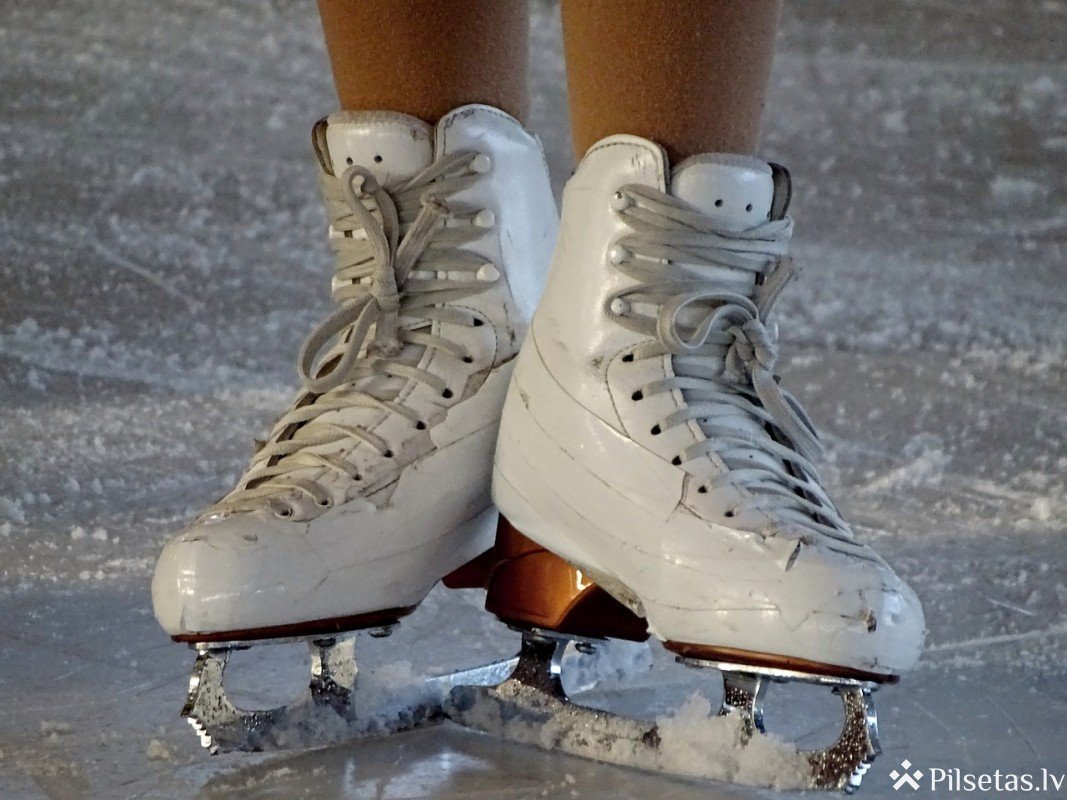
ICE TO BE MELTED AT TUKUMS ICE HALL
Published: 25.11.2020
Add Events
However, the council members had many questions about the usefulness of this work. For example, if the work was carried out in September, why is the money being requested only now, and moreover—after the work has already been completed? Likewise, was it useful to melt the ice if restoring it cost approximately 10,000 euros? But since the hall’s director, Modris Liepiņš, did not attend the meeting, the questions raised remained unanswered. Deputy mayors Agris Zvaigzneskalns and Jānis Eisaks explained that the requested sum had been invested in the markings, which had been necessary to organise a hockey championship. Meanwhile, municipal executive Normunds Rečs urged them to remember the situation in the spring, when, in accordance with the government’s decision, the hall had to be closed and had no income from its operations at all: “At that time, the municipality supported the company by investing 32,536 euros so that it would not have to be closed altogether. As soon as the hall was able to resume operations, it did so. And this investment is not merely support for the company, but payment for work that was actually carried out.” N. Rečs also acknowledged that a decision must now be made on whether to melt the ice or not, but no such decision has yet been taken, as they are waiting to see what the situation will be in December.
After the meeting, we contacted Modris Liepiņš, a member of the board of Tukums Ice Hall, and asked him to explain what the money was needed for, as well as what the hall’s future operating prospects were. M. Liepiņš explained that the money was needed both to renew the markings and to repair the boards: “These boards are already 15 years old and can no longer withstand the strain, especially behind the goals, where they are most frequently hit by the puck, and in the areas where athletes sit and also damage the boards with their skates. This time, we had planned to replace the ones that had suffered the most damage.”
Asked why, if the work had been carried out in September, the money was being requested only now, M. Liepiņš explained that all the work had been paid for from their own funds in September, when the strict restrictions were not yet in place and both training sessions and competitions could be held. But now all of this has been suspended: “Competitions are no longer being held, and there is no income, which is why we requested this support. In addition, we are considering melting the ice from 1 December, because it is very likely that the government will not lift the restrictions after 6 December either—they will more likely be extended for some time, which means major losses for us. For us, of course, this is a question of money—if there is ice, the electricity bill is 12,000 euros a month, but if there is no ice, it is around 300 or 400 euros, including the connection fee and other expenses. That is still quite a difference.”
ntz.lv