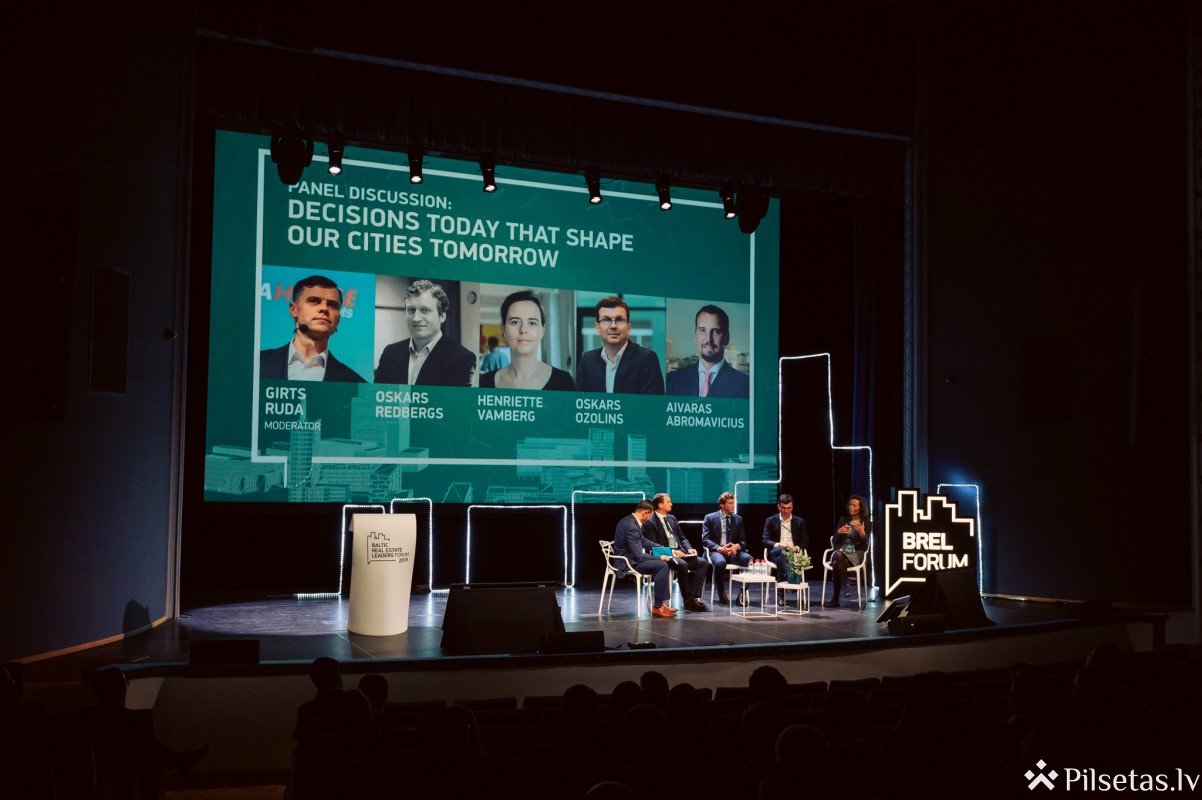
The annual BREL forum was held in Riga, where the most important industry trends and challenges were discussed
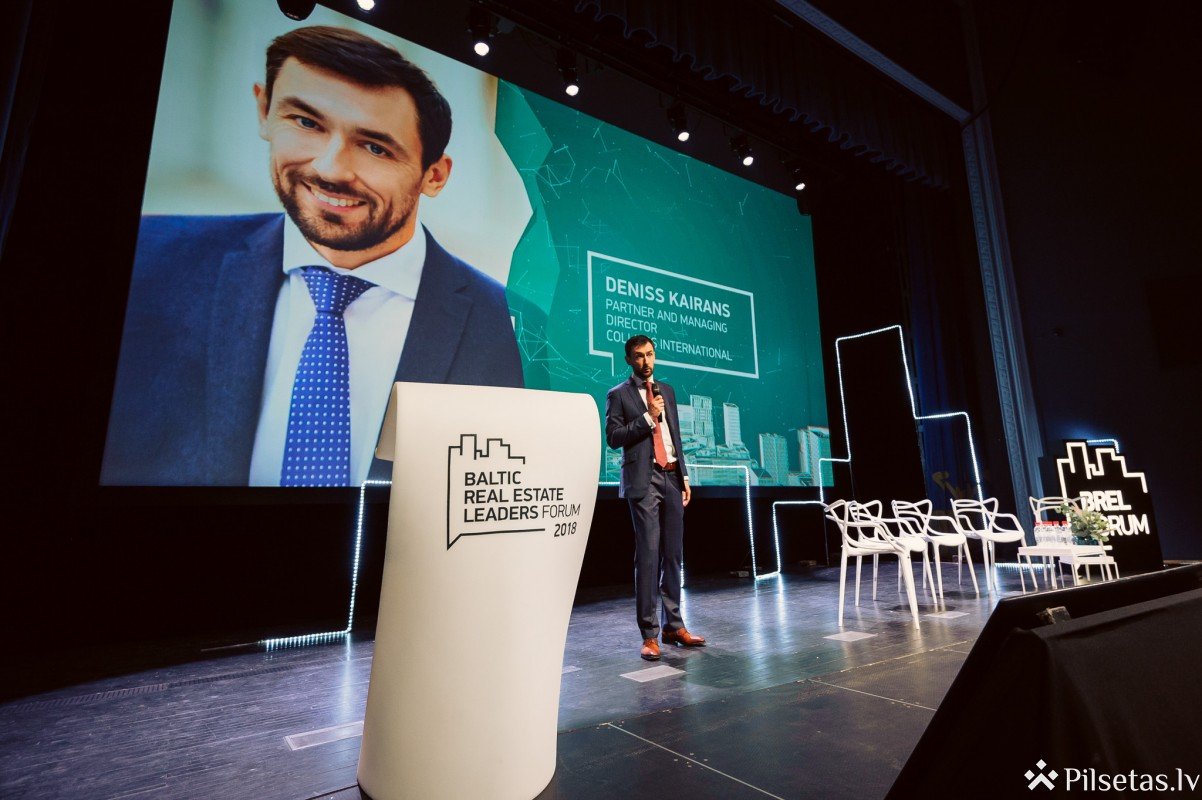
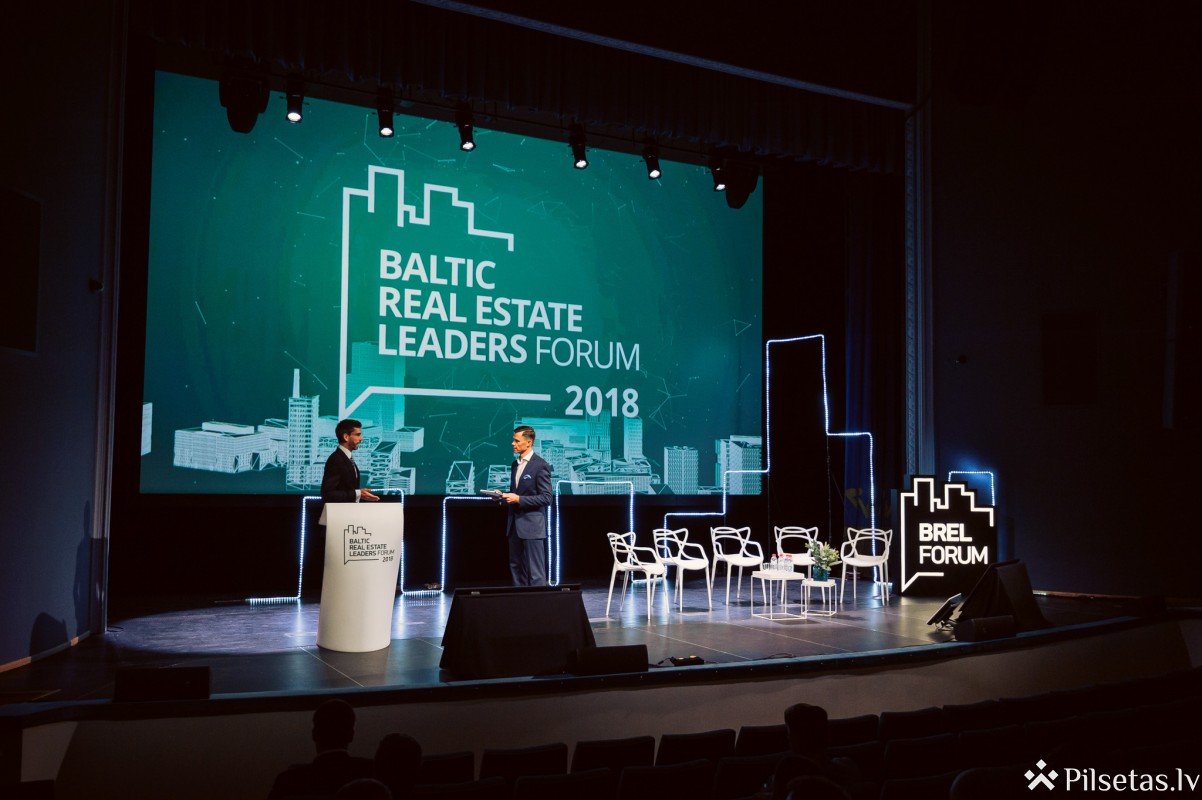
Last Friday, 2 November, the annual Baltic Real Estate Leaders (BREL) forum was held at the VEF Culture Palace. The forum traditionally brought together numerous leading representatives of the real estate sector from Latvia and other Baltic and European countries. Throughout the day, internationally renowned professionals delivered lectures and discussed various important issues related to the real estate industry. They shared their accumulated experience, discussed the industry's main challenges and forecast trends in its further development and impact on the Baltic region. Experts identified the growing influence of modern technologies on the real estate market, as well as the smart and continuously developing city, workplace planning and the increasing flow of investment into value-added real estate as the main trends of today.
This year, the BREL forum programme was divided into three parts differing in content, examining the issues most relevant to the industry's development: macroeconomic developments, changes in real estate prices, demographic and political aspects, market investment, the development of urban space, retail, the digitalisation of information flows, and the impact of e-commerce on traditional retail spaces. The sessions concluded with interactive panel discussions, which made it possible to discuss each of the topics raised in greater detail. The audience was also invited to participate in the discussion and had the opportunity to ask questions of interest and express their opinions by taking part in an online vote. The forum lecturers' forecasts indicate that the importance of technology will increase in the coming years, and that it will influence both real estate transactions and traditional retail sectors. At the same time, the construction of new projects will increasingly give way to the renovation of existing buildings and the flourishing of industrial parks, thereby marking new trends in the currently oversaturated investment market.
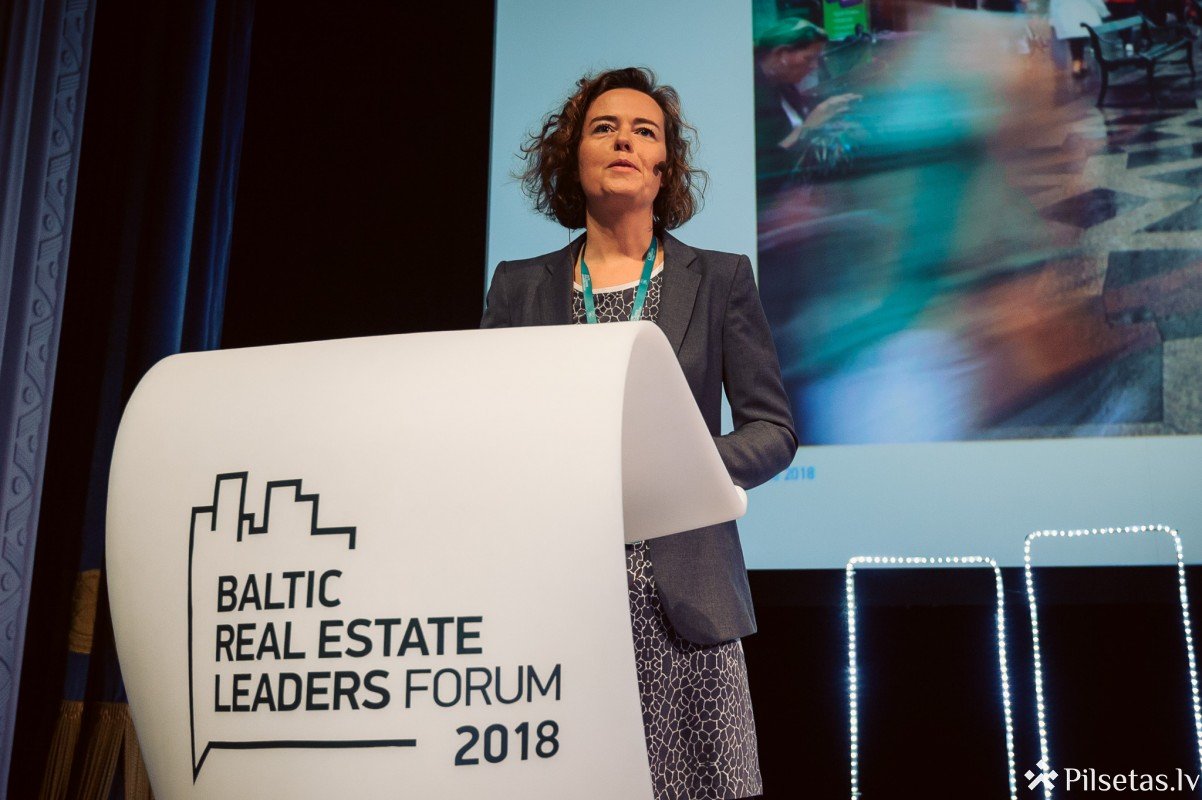
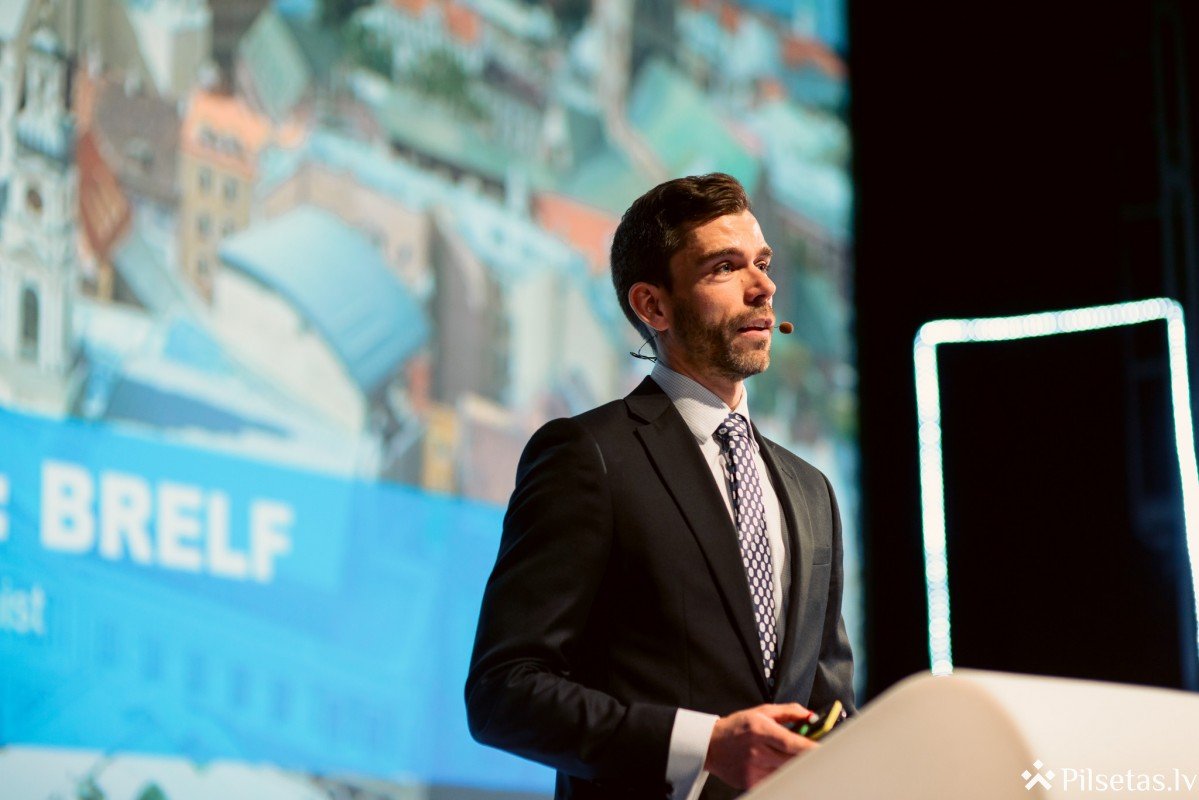
Opening the forum, Henriette Vamberg, partner and executive director of the Danish architectural firm Gehl Architects, particularly emphasised that the foundation of smart and continuously developing urban planning is the analysis of people's everyday habits. Ms Vamberg has been following Riga's rapid development for several years and believes that reducing the flow of motor traffic could make Riga a more modern and people-friendly European capital while also helping to preserve its historical heritage. Oliver Kolodseike, senior economist at the real estate agency Colliers International, expressed the view that the most important task for the Baltic countries, in the context of attracting investment and population, is retaining a skilled workforce. It is precisely the considerable potential of local talent in the industry that can improve Latvia's and its neighbouring countries' position compared with other European states at a time when global competition is becoming increasingly intense.
Gijs Klomp, head of investment at Nepi Rockcastle, emphasised that, from a microeconomic perspective, the Baltic countries are very similar: they are united by a skilled and educated workforce, a continuously progressing economic situation and strong capitals, but the weak link in the region is its negative demographic indicators. In turn, a representative of Metro ECE Center management Zulfukar Tosun stated at the end of the forum that the future of retail belongs to shopping centres offering more than just the opportunity to shop. A shopping centre should be a place where people want to spend their free time, since nowadays it is also possible to simply buy something online. Therefore, the boundary between budget shopping and luxury shopping is gradually disappearing around the world. Both online and offline purchases are becoming increasingly personalised, interactive and comprehensive, offering consumers multiple channels for acquiring goods and services.
“By following the main themes of this year's BREL forum, one can conclude that the Baltic countries, which are most often perceived from the outside as a single market, remain three different countries in every real estate segment. In Latvia, there are still sectors requiring immediate improvement; for example, the process of issuing construction permits should be accelerated. Riga also noticeably lacks good infrastructure for cyclists and pedestrians. To attract investors effectively, we need more original ideas and names with which Riga and Latvia will be associated abroad. We need more active cooperation in planning and implementing projects so that they are carried out in the public interest and within the planned time frames, but I am confident that, with Latvia's potential, all of this can be developed in the coming years,” said Girts Ruda, the forum moderator and chief legal officer of RB Rail AS, sharing his observations.
A number of other real estate experts from all three Baltic countries, as well as from Ukraine, Finland and the Netherlands, were also among the speakers at the BREL forum, including Keith Silverang, executive director of Technopolis ; Aivaras Abromavicius, chairman of the board of Preses Nams; Sohvi Rajamäki, executive director of Schneider Electric in the Baltic countries; Oskars Ozoliņš, chairman of the board of construction company Merks; Dr Oskars Redbergs, engineer and architect; Angela Kolesnikova, partner at Colliers International Advisors; Laurynas Kuzavas, executive director of SIRIN Development; Harijs Švarcs, founder of SG Capital; and Roberto de Silvestri, executive director of investment company Colonna, as well as Kārlis Danevičs, co-chair of the Lending Committee of the Financial Industry Association, who joined industry leaders in creating a discussion that was brought up to date this year.
The organiser of the BREL forum was Colliers International in cooperation with iDEA HOUSE events.
Event partners: Linstow, Hanner and LNK Group.